



What's Happening?
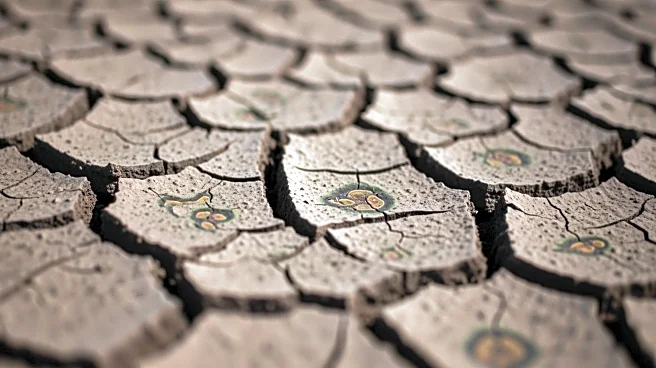
Recent research led by microbiologist Dianne Newman at Caltech has uncovered a link between drought conditions and increased antibiotic resistance in soil bacteria. The study, published in Nature Microbiology, suggests that as soils dry out, they concentrate
antibiotics naturally produced by bacteria, leading to higher resistance levels. This phenomenon was observed globally, with drier soils exhibiting more genes for antibiotic production and resistance. The research indicates that these resistant genes can transfer to bacteria that infect humans, potentially through activities like gardening. The study highlights a strong correlation between soil dryness and antibiotic resistance in nearby hospitals, suggesting environmental factors like drought, exacerbated by climate change, could be contributing to this public health challenge.
Why It's Important?
The findings of this study are significant as they suggest that environmental changes, particularly droughts, could be a driving factor in the rise of antibiotic-resistant bacteria. This has profound implications for public health, as antibiotic resistance is a major concern for healthcare systems worldwide. The ability of bacteria to transfer resistance genes to human pathogens could lead to more difficult-to-treat infections, increasing healthcare costs and mortality rates. The study also emphasizes the need for a broader understanding of antibiotic resistance sources, beyond human misuse, to include environmental factors. This could influence future policies on antibiotic use and environmental management to mitigate resistance development.
What's Next?
The study's findings may prompt further research into the environmental factors contributing to antibiotic resistance. Policymakers and healthcare providers might need to consider environmental management strategies to combat resistance. This could include monitoring soil conditions and implementing measures to reduce drought impacts. Additionally, there may be increased interest in developing new antibiotics or alternative treatments that are less susceptible to resistance. The research community may also explore the potential for soil management practices to mitigate resistance gene proliferation.
Beyond the Headlines
This research highlights the interconnectedness of environmental health and human health, suggesting that climate change could have indirect effects on public health through mechanisms like antibiotic resistance. It raises ethical questions about the responsibility of managing natural resources and the environment to prevent public health crises. The study could lead to a reevaluation of how environmental changes are factored into public health planning and antibiotic stewardship programs.