










What's Happening?
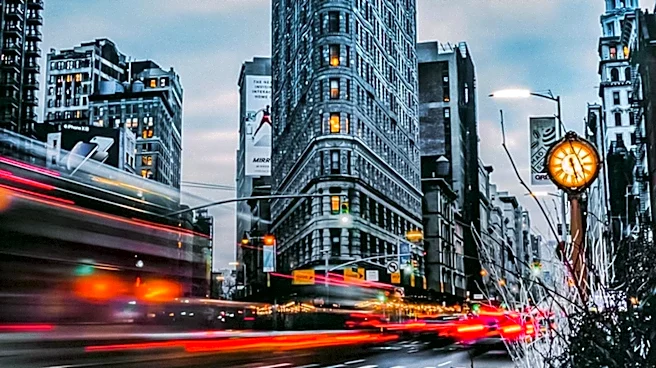
The iconic Flatiron Building in New York City, a 123-year-old architectural landmark, is undergoing a significant transformation from a commercial office space into luxury residential apartments. This conversion will result in 38 unique residences, each
designed to complement the building's distinctive triangular shape. The project includes the installation of a new exterior lighting system, which will illuminate the building at night, enhancing its presence alongside other famous New York landmarks. The building's historic Beaux-Arts style is being preserved, while the interiors are being redesigned to offer modern luxury amenities, including private elevators, high ceilings, and a wellness center with a swimming pool. The transformation reflects a broader trend in Manhattan, where declining office occupancy rates have prompted developers to repurpose commercial spaces into residential properties.
Why It's Important?
The conversion of the Flatiron Building into luxury residences is significant as it highlights the ongoing shift in urban real estate dynamics, particularly in Manhattan. With the rise of remote work and hybrid models, demand for office space has decreased, prompting developers to explore alternative uses for iconic commercial properties. This transformation not only preserves a historic landmark but also adapts it to meet contemporary housing demands. The project could set a precedent for similar conversions in other cities, potentially influencing urban planning and real estate development strategies. Additionally, the high price point of the apartments underscores the continued demand for luxury living spaces in prime urban locations, despite broader economic uncertainties.
What's Next?
As the Flatiron Building's transformation progresses, it will be closely watched by real estate developers, city planners, and preservationists. The success of this project could encourage further conversions of historic buildings into residential spaces, particularly in areas with high commercial vacancy rates. Stakeholders will likely monitor the market response to these luxury apartments, which could influence future pricing and development strategies. Additionally, the project's impact on the surrounding neighborhood, including potential increases in property values and changes in local demographics, will be of interest to community members and city officials.
Beyond the Headlines
The transformation of the Flatiron Building raises questions about the balance between preserving historical architecture and meeting modern urban needs. While the project maintains the building's exterior and historic elements, it also introduces contemporary design features, reflecting a blend of old and new. This approach may serve as a model for other cities grappling with similar challenges. Furthermore, the project highlights the role of iconic architecture in shaping a city's identity and the importance of thoughtful preservation in maintaining cultural heritage while accommodating growth and change.