





What's Happening?
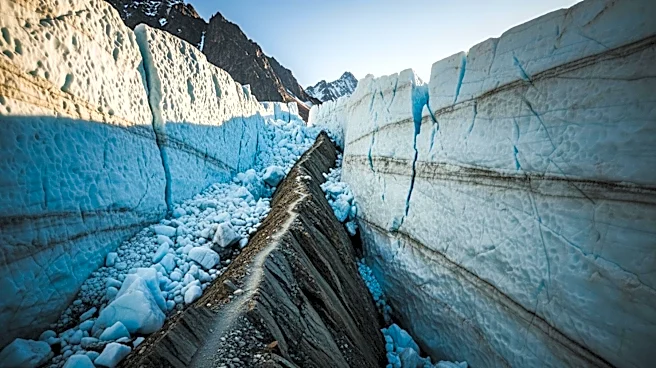
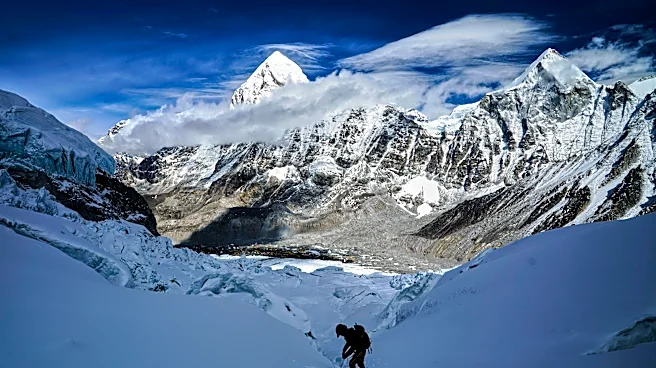
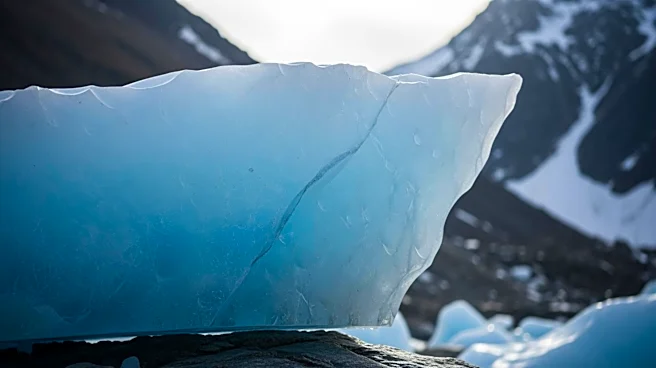
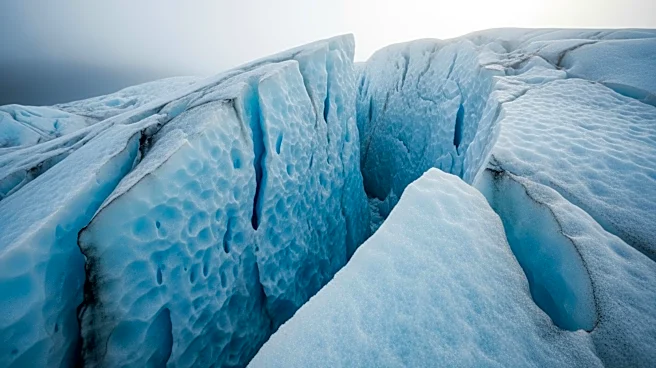
Hundreds of climbers at Everest Base Camp are experiencing delays as a massive serac, a block of glacial ice, obstructs the route to the summit. The serac is located in the Khumbu Icefall, one of the most dangerous sections of the climb. Specialized workers
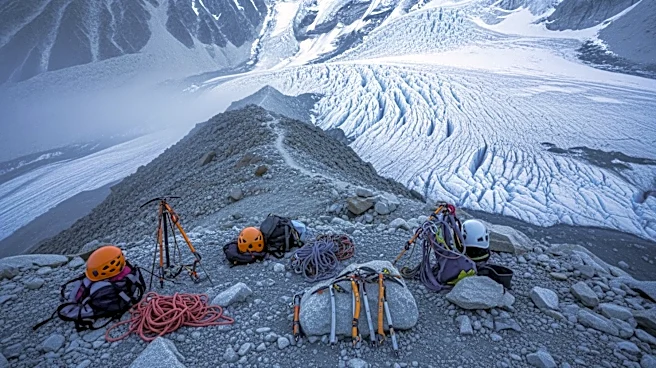
known as 'icefall doctors' are using advanced technology to assess the situation and determine when it might be safe to proceed. Climbers, including Bianca Adler, who aims to become the youngest Australian to summit Everest, are currently engaging in training activities while waiting for the route to clear. Concerns are rising about potential overcrowding once the path reopens.
Why It's Important?
The delay at Everest Base Camp highlights the ongoing challenges of climbing the world's highest peak, exacerbated by climate change and the inherent dangers of the Khumbu Icefall. The situation underscores the importance of safety and preparedness in high-altitude expeditions. The potential for overcrowding when the route reopens could lead to dangerous conditions, as seen in previous years. This event also reflects broader issues in mountaineering, such as the impact of climate change on glacial stability and the need for effective management of climbing permits to ensure safety.
What's Next?
Climbers and expedition companies are strategizing to manage the anticipated rush once the serac collapses and the route reopens. Authorities in Nepal may need to consider additional measures to prevent overcrowding and ensure climber safety. The situation is being closely monitored, and climbers are advised to remain patient and prioritize safety over summit attempts.