



What's Happening?
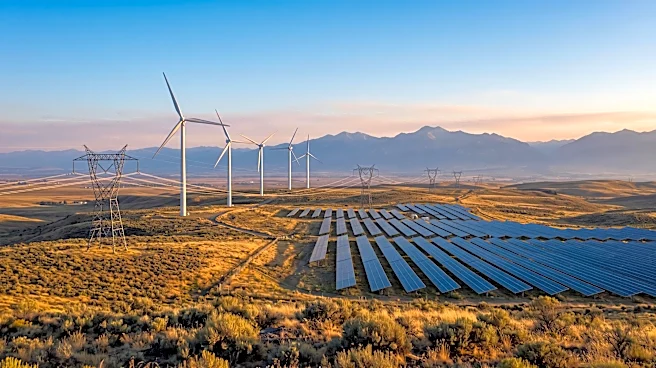
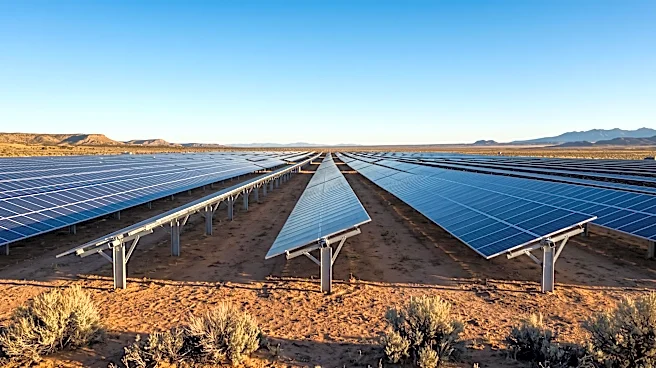
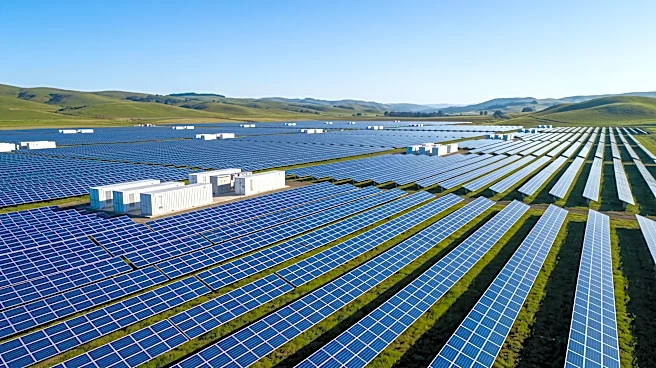
Ørsted has commenced construction on its 200-megawatt (MW) Blackwater Solar project in Roosevelt County, New Mexico. This marks the company's inaugural project in the state. The Blackwater Solar farm, situated between Portales and Clovis, is designed
to generate enough electricity to power over 56,000 homes annually within the Southwest Power Pool (SPP) territory. As part of its commitment to the local community and environment, Ørsted has also announced a $100,000 contribution to the Playa Lakes Joint Venture (PLJV) to support the restoration and conservation of wetlands near the project site. The project is supported by a long-term power purchase agreement aimed at meeting the growing industrial electricity demand in New Mexico. Ørsted is sourcing solar panels for this project from First Solar, a domestic manufacturer, thereby supporting American energy production and manufacturing. The company's Americas Onshore business currently operates over 6 gigawatts of solar, wind, and battery storage capacity across eight states, positioning it as a significant independent power producer in the U.S.
Why It's Important?
This project is important for several reasons, primarily its contribution to the U.S. renewable energy landscape and New Mexico's energy sector. New Mexico ranks second nationally in solar energy potential and 17th in installed solar capacity, making it a strategic location for such developments. The Blackwater Solar project will bolster the state's utility-scale solar growth and align with supportive state policies promoting clean energy. By generating affordable, homegrown energy, it will reduce reliance on traditional fossil fuels, contributing to national decarbonization goals. The long-term power purchase agreement ensures a stable supply of electricity for industrial demand, which is crucial for economic development in the region. Furthermore, Ørsted's decision to source solar panels from a domestic manufacturer like First Solar supports American manufacturing jobs and strengthens the domestic supply chain for renewable energy components, fostering economic growth within the U.S. The $100,000 contribution to PLJV also highlights a commitment to environmental stewardship, addressing potential ecological impacts and promoting local conservation efforts.
What's Next?
The Blackwater Solar project is anticipated to achieve commercial operations in late 2027. Following its completion, the project will begin supplying renewable power to the Southwest Power Pool territory, serving over 56,000 homes annually. The success of this initial venture in New Mexico could pave the way for additional investments and projects by Ørsted in the state, further solidifying its role in the region's clean energy transition. Local communities, particularly in Roosevelt County, are expected to benefit from the long-term economic advantages and job creation associated with the operation and maintenance of the solar farm. The partnership with Playa Lakes Joint Venture will continue to facilitate wetland restoration and conservation efforts, demonstrating an ongoing commitment to environmental responsibility. Industry experts are closely watching Ørsted's activities, believing the company is poised to be a leader in America's ongoing solar energy transformation, with potential for more projects and expanded capacity in the coming years.
Beyond the Headlines
The Blackwater Solar project signifies a broader shift in the U.S. energy paradigm, moving towards decentralized and diversified energy sources. The emphasis on domestic manufacturing for solar panels, as seen with the First Solar partnership, underscores a growing national strategy to build energy independence and resilience by strengthening local supply chains. This approach not only creates jobs but also mitigates risks associated with global supply chain disruptions. The project also highlights the evolving role of independent power producers like Ørsted in collaborating with local communities and environmental organizations, moving beyond mere energy generation to encompass broader social and ecological responsibilities. The investment in wetland conservation, for instance, reflects a more holistic understanding of sustainable development. This trend suggests that future large-scale energy projects will increasingly integrate environmental and community engagement as core components, rather than afterthoughts, fostering greater public acceptance and long-term viability for renewable energy initiatives across the nation.