






What's Happening?
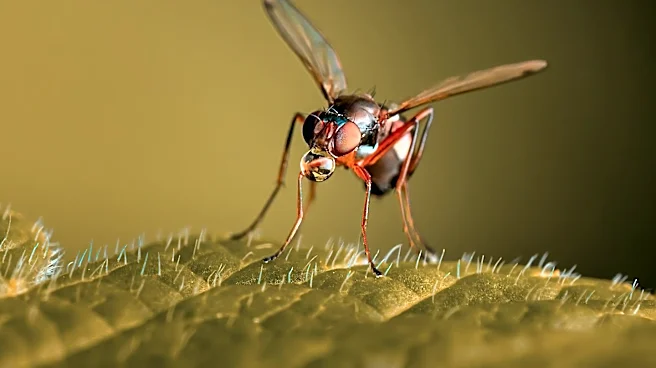
The New World screwworm, a flesh-eating parasite, is spreading north through Central America into the United States, raising concerns among animal health officials. Researchers at Colorado State University, led by Professor Jessica Metcalf, are studying
the chemical signals that attract these parasites to develop more effective traps. The screwworm, which was eradicated in the U.S. over 50 years ago, has been detected again in Texas. The research aims to identify specific bacterial smells associated with wounds that attract the screwworm, potentially leading to better detection and control methods.
Why It's Important?
The resurgence of the New World screwworm poses a significant threat to livestock, pets, and wildlife in the U.S. If left unchecked, the parasite can cause severe infestations, leading to economic losses for farmers and ranchers. The research conducted by Metcalf and her team could lead to the development of more targeted traps, improving surveillance and control efforts. This is crucial for preventing the spread of the parasite and protecting the agricultural industry. The study also highlights the importance of interdisciplinary research in addressing complex ecological challenges.