
What's Happening?
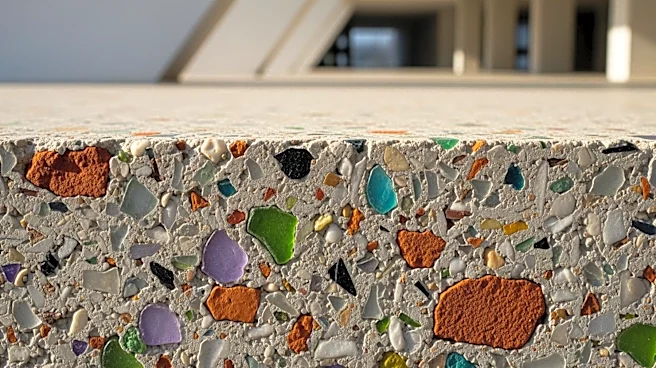
A study published in Scientific Reports explores the thermal reactivation of sanding dust, a by-product of wood-wool cement panel manufacturing, to create eco-friendly biocomposites. This process involves
low-temperature treatment to restore the binding capacity of cement waste, reducing emissions and supporting circular construction. The research addresses the environmental impact of the construction sector, which is responsible for significant resource consumption and carbon emissions. By converting manufacturing waste into secondary raw materials, the study demonstrates a sustainable approach to reducing the ecological footprint of the construction industry.
Why It's Important?
The construction industry is a major contributor to global carbon emissions and resource depletion. This study presents a method to mitigate these impacts by upcycling industrial waste into valuable materials, promoting sustainability in construction practices. The findings could influence industry standards and encourage the adoption of circular economy principles, potentially leading to reduced environmental impact and resource conservation. This approach aligns with global efforts to address climate change and promote sustainable development.
What's Next?
Further research is needed to optimize the thermal reactivation process and explore its application in various industrial contexts. The construction industry may consider integrating these findings into practice, potentially leading to policy changes and new standards for sustainable building materials. Continued innovation in this area could drive the development of more efficient and environmentally friendly construction techniques.