





What's Happening?
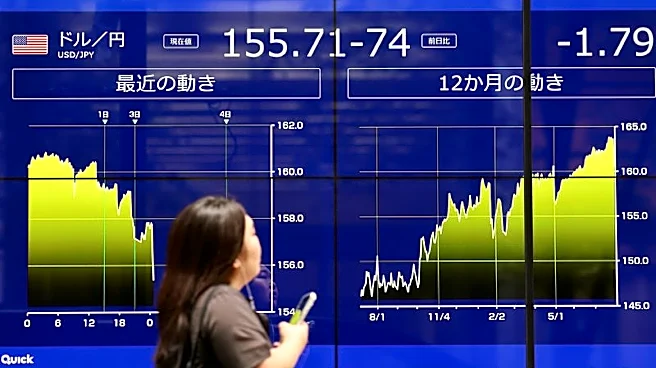
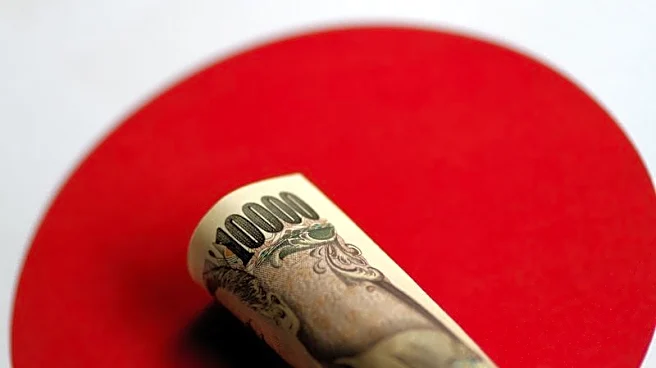
The United States and Japan have confirmed a joint intervention to stabilize the yen, which recently hit a 40-year low. This marks the first such coordinated action since 2011, when both nations intervened following a natural disaster in Japan. The intervention aims
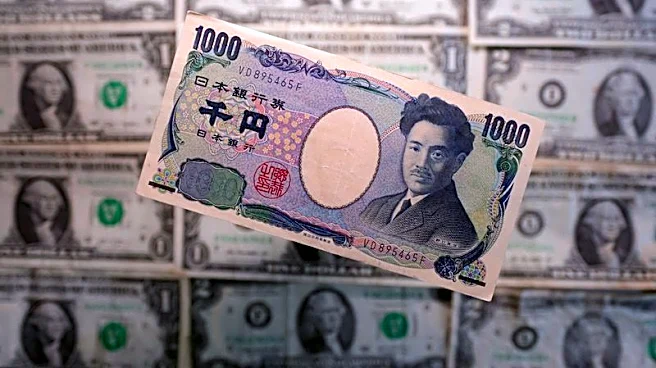
to prevent a sell-off in the yen and Japanese government bonds, which could impact the global economy and increase borrowing costs for the U.S. The Bank of Japan reportedly sold nearly $59 billion in U.S. dollars to purchase yen, while the U.S. Treasury's involvement remains less clear, though a note from Treasury Secretary Scott Bessent suggested a purchase of $5-10 billion in yen. Both countries have expressed readiness for further interventions if necessary.
Why It's Important?
This intervention is significant as it highlights the economic interdependence between the U.S. and Japan, two major global economies. A stable yen is crucial for Japan's economy, which faces challenges such as a declining working-age population and reliance on energy imports priced in U.S. dollars. For the U.S., a stable yen helps maintain global economic stability and prevents potential increases in borrowing costs. The intervention also underscores the U.S.'s strategic economic alliances and its willingness to support Japan's monetary policies.
What's Next?
Future interventions may occur if the yen continues to experience volatility. Both countries have indicated a willingness to act again if necessary. The Bank of Japan's monetary policy and interest rate decisions will be closely watched, as will the U.S. Federal Reserve's actions, which could influence the yen's value. The global financial community will be monitoring these developments, as they could have broader implications for international trade and economic stability.