


What's Happening?
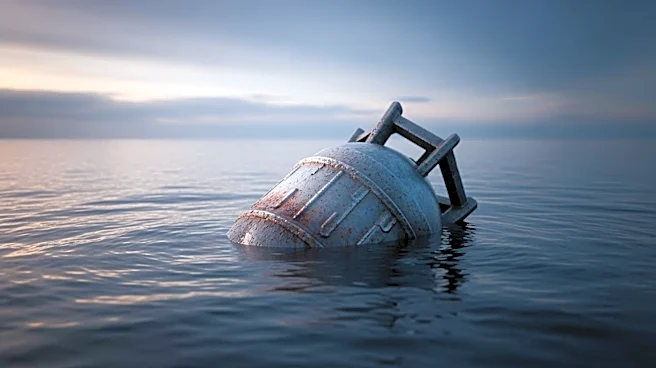
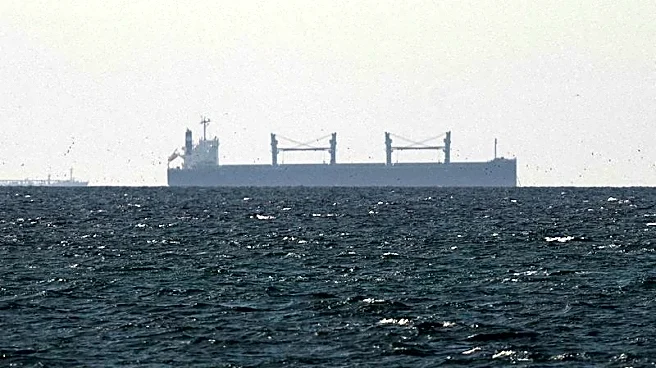
Iran has the capability to disrupt maritime traffic in the Gulf and Red Sea by deploying sea mines, a strategy that could significantly impact global shipping. The country possesses a stockpile of 5,000 to 6,000 sea mines, which can be deployed from various
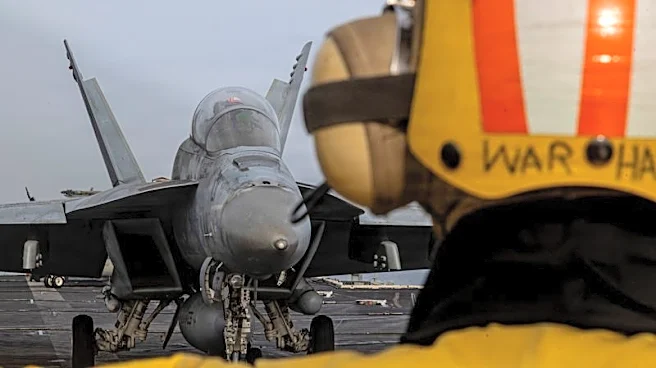
platforms, including civilian boats and submarines. These mines pose a threat to both commercial and military vessels, as they can be laid without direct combat interaction and remain dormant until activated by a passing ship. The ongoing conflict involving US and Israeli forces has degraded some of Iran's military capabilities, but the threat of mine deployment remains significant.
Why It's Important?
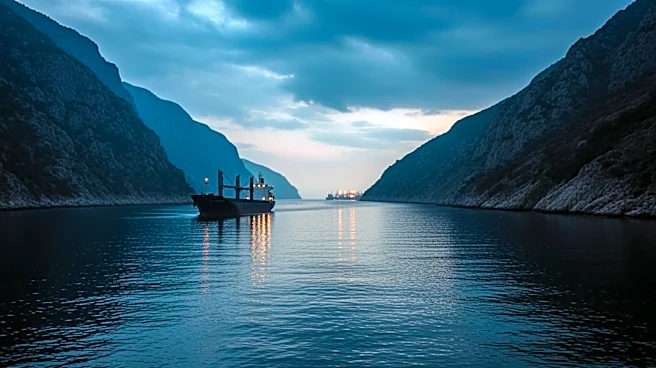
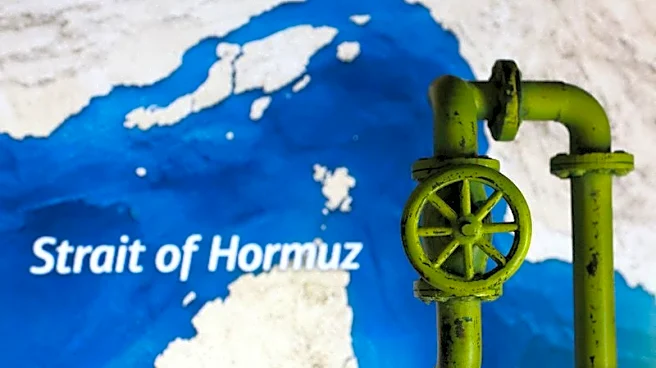
The strategic use of sea mines by Iran could severely disrupt global shipping routes, particularly in the Strait of Hormuz, a critical chokepoint for oil transportation. This could lead to increased shipping costs, insurance premiums, and potential delays in the delivery of goods, affecting global markets. The presence of mines would necessitate extensive mine countermeasure operations, which are resource-intensive and time-consuming. The situation underscores the geopolitical tensions in the region and the potential for escalation affecting international trade and security.
What's Next?
As tensions continue, Iran may expand its mining operations, potentially involving its proxies, such as the Houthi militants in Yemen, to lay mines in the Red Sea. This could lead to increased military presence and operations by the US and its allies to ensure safe passage through these vital waterways. The international community may need to engage in diplomatic efforts to de-escalate tensions and prevent further disruptions to global shipping.