








What's Happening?
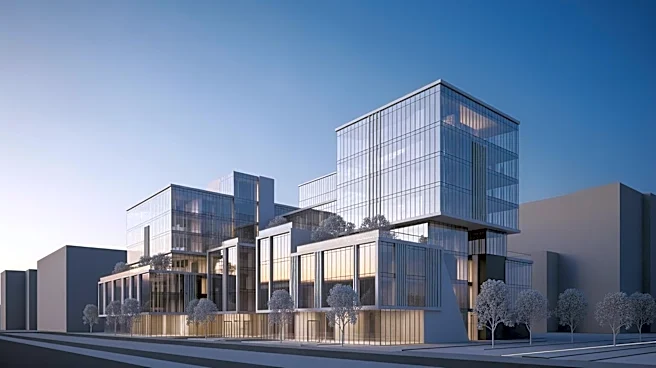
LiveStay has unveiled plans for its first integrated development combining Veriu apartment hotels and UKO co-living residences, set to open in 2028 in Adelaide, Australia. The project will feature 120 Veriu apartment hotel keys and 120 UKO co-living residences, marking
the first fully integrated expression of the LiveStay model. Located at 124 Wakefield Street in the Adelaide CBD, the development aims to cater to a diverse range of guests, from corporate travelers to long-term residents. The Veriu component will offer various accommodation options, including studio and accessible rooms, while UKO will focus on community-oriented living for longer-term residents. The development will also include conference spaces, communal areas, a gym, and parking facilities. The choice of Adelaide is based on strong market fundamentals, such as sustained corporate travel demand and a growing visitor economy.
Why It's Important?
The introduction of this integrated development model by LiveStay represents a significant shift in the hospitality industry, aiming to address diverse accommodation needs within a single asset. By combining hotel and co-living spaces, LiveStay is responding to evolving consumer preferences for flexible and community-focused living arrangements. This approach could set a precedent for future developments in the hospitality sector, potentially influencing how accommodation providers design and market their offerings. The project also highlights Adelaide's growing appeal as a destination for corporate and leisure travelers, which could boost local economic activity and support the city's tourism and hospitality sectors.
What's Next?
As the development progresses towards its 2028 opening, LiveStay will likely focus on finalizing design and construction plans, securing necessary approvals, and marketing the project to potential guests and residents. The company may also explore similar integrated models in other locations, leveraging insights gained from the Adelaide project. Stakeholders in the hospitality industry will be watching closely to see how this model performs in terms of occupancy rates, guest satisfaction, and operational efficiency. The success of this project could encourage other developers to adopt similar strategies, potentially leading to more innovative and diversified accommodation options in the market.
Beyond the Headlines
The integration of different living models within a single development raises interesting questions about the future of urban living and hospitality. As cities continue to grow and evolve, the demand for flexible, community-oriented spaces is likely to increase. This development could influence urban planning and real estate strategies, encouraging more mixed-use projects that blend residential, commercial, and hospitality elements. Additionally, the focus on community and sustainability in the UKO component aligns with broader societal trends towards environmentally conscious and socially responsible living, which could have long-term implications for the industry.