

What's Happening?
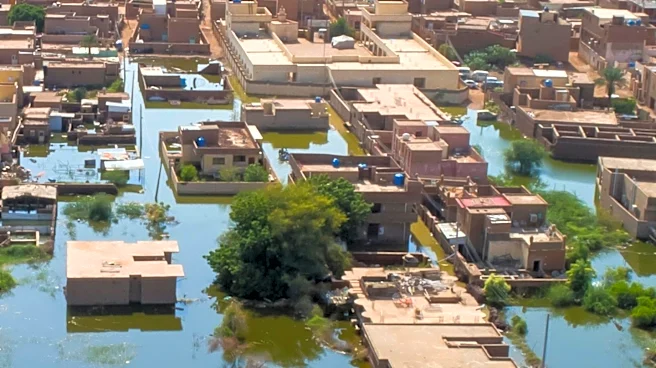
A new analysis by Oxfam reveals that global flood deaths in 2026 have reached their highest level since 2013, with at least 8,000 fatalities recorded. Approximately three-quarters of these deaths occurred in Nepal, where flash flooding in August alone
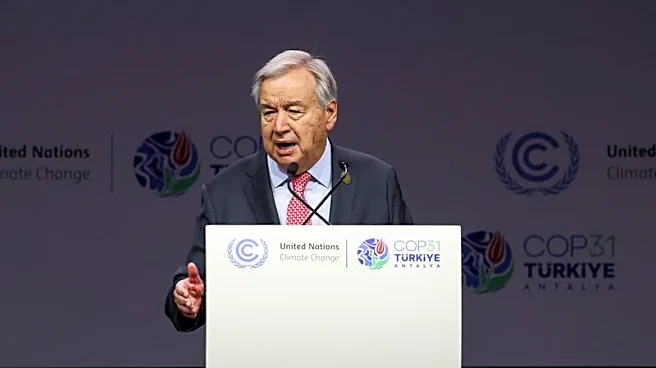
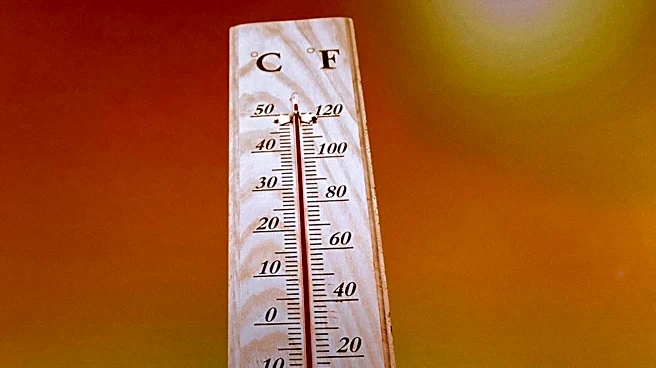
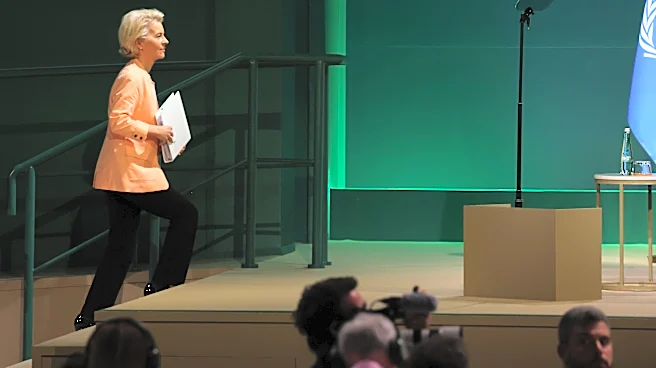
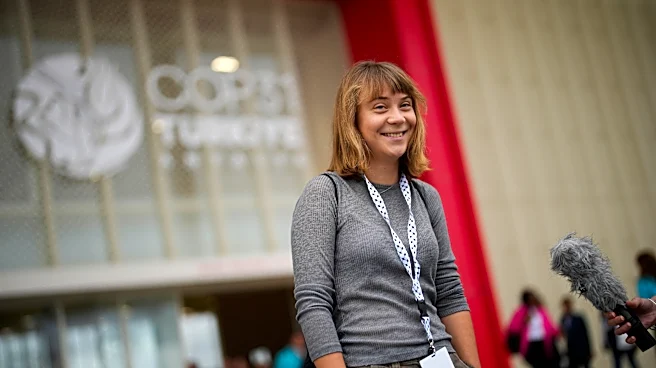
claimed 6,250 lives, marking the highest number of flood-related deaths on record for the country. Concurrently, monthly temperature records were broken in 106 countries between January and September 2026. The report also highlights a significant disparity, noting that deaths from flooding are seven times higher in more unequal countries. These findings coincide with the UN climate summit (COP31) in Antalya, Türkiye, where 87 private jets have landed, indicating a substantial increase in private jet travel compared to the previous year's COP30.
Why It's Important?
The Oxfam report underscores the escalating human cost of climate change, particularly in vulnerable and unequal nations. The surge in flood-related deaths, especially in countries like Nepal, highlights critical deficiencies in disaster preparedness and infrastructure in regions disproportionately affected by extreme weather events. The widespread breaking of monthly temperature records across over 100 countries signals a global trend of rising temperatures, contributing to more frequent and intense weather phenomena. The juxtaposition of these climate impacts with the increased use of private jets by the wealthy during a climate summit raises questions about global equity and the commitment of high-carbon emitters to climate action. This disparity suggests that those least responsible for climate change often bear its heaviest burdens, while those with the highest carbon footprints continue practices that exacerbate the crisis.
What's Next?
The findings from Oxfam are likely to intensify calls for more robust climate action, particularly regarding adaptation and mitigation efforts in developing countries. Discussions at COP31 and subsequent international forums may focus on increasing financial aid for climate resilience in vulnerable nations and addressing the carbon emissions from high-income individuals and sectors. There could be renewed pressure on governments to implement policies that reduce carbon inequality and promote sustainable practices. Additionally, the report may prompt further research into the links between socioeconomic inequality and vulnerability to climate disasters, potentially influencing future humanitarian aid strategies and development programs aimed at building resilience in at-risk communities.
Beyond the Headlines
The report's emphasis on the disproportionate impact of climate change on unequal countries and the carbon footprint of the wealthy during a climate summit points to deeper ethical and systemic issues. It highlights the concept of 'climate justice,' arguing that the benefits of industrialization and high consumption have been concentrated in wealthier nations and among affluent individuals, while the environmental costs are borne by the poor and vulnerable. This situation could fuel debates about reparations for climate-induced losses and damages, and the need for a more equitable distribution of responsibility and resources in addressing the climate crisis. The increased private jet travel during COP31 also symbolizes a broader disconnect between climate rhetoric and the actions of some influential actors, potentially eroding public trust in international climate negotiations.