







What's Happening?
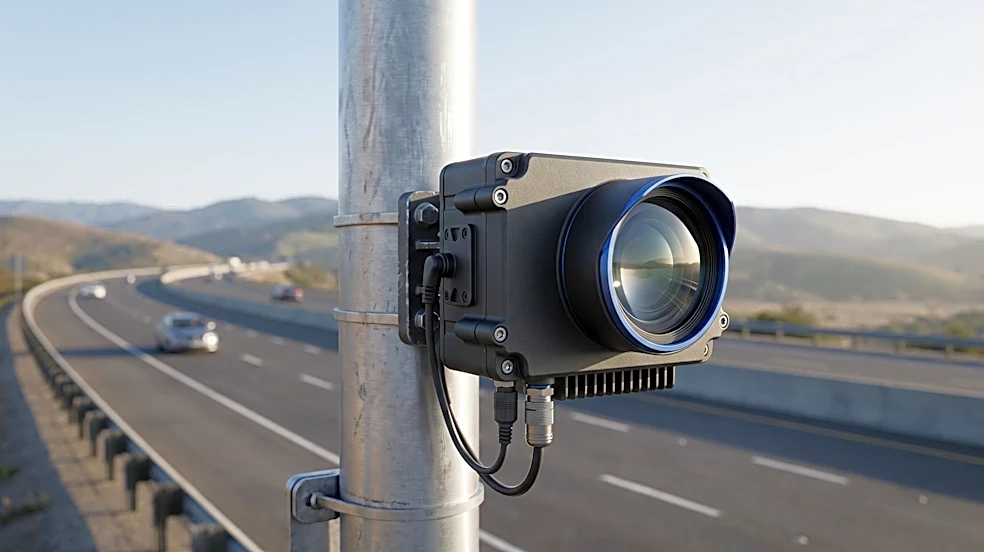
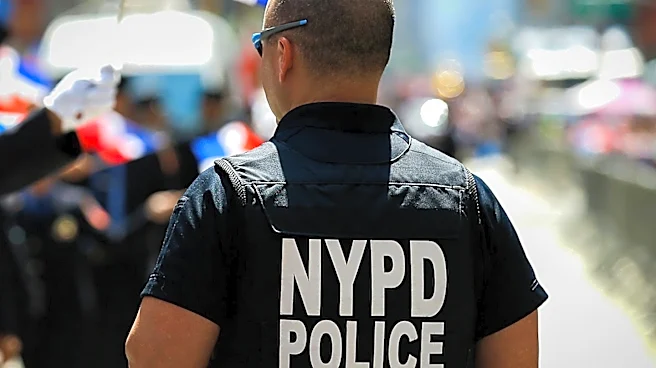
The New York Police Department (NYPD) is in negotiations to acquire a new AI-driven mobile surveillance system called FalcoNet, developed by Israeli technology firm Cognyte. This technology functions as a cell-site simulator, capable of mimicking a cell tower
to capture unique identification numbers from nearby mobile phones. FalcoNet can be deployed from police vehicles, drones, or even carried in a backpack, allowing investigators to quickly locate suspects. The NYPD is considering a three-year, $750,500 sole-source contract with Cognyte. While the department asserts that FalcoNet will not be used to intercept call content or text messages from phones not involved in investigations, and will require warrants for use in most cases, civil liberties groups have raised significant privacy concerns. They argue that such technology could unconstitutionally track innocent individuals and that Cognyte has a history of providing surveillance tools to oppressive governments.
Why It's Important?
The potential adoption of FalcoNet by the NYPD highlights a growing tension between law enforcement's desire for advanced surveillance capabilities and civil liberties. The technology's ability to act as a 'roving cell phone tower' could significantly enhance the NYPD's capacity to track individuals, impacting privacy rights for New Yorkers. Critics, including the New York Civil Liberties Union and the Surveillance Technology Oversight Project (STOP), fear that the system's 'dragnet surveillance' capabilities, especially when combined with undisclosed AI features, could lead to widespread tracking of individuals not under investigation. This move could set a precedent for other U.S. law enforcement agencies considering similar AI-driven surveillance tools, potentially expanding the scope of digital monitoring across the country and intensifying debates over privacy, accountability, and the ethical use of artificial intelligence in policing.
What's Next?
The city is currently reviewing public comments regarding the proposed contract with Cognyte for FalcoNet. Following this review, a decision will be made on whether to approve the contract. If approved, the NYPD states that only four members of its Technical Assistance Response Unit (TARU) will be authorized to use the technology, operating on a closed, stand-alone network. The department's policy mandates obtaining warrants for investigations, with exceptions for exigent circumstances like missing persons or suicide threats, where a warrant must be secured within 48 hours. However, civil liberties groups are likely to continue advocating for greater transparency and stricter oversight, particularly concerning the lack of case-by-case reporting on cell-site simulator usage, which they argue prevents public accountability.
Beyond the Headlines
The debate surrounding FalcoNet extends beyond immediate privacy concerns, touching upon deeper ethical and legal implications of AI in law enforcement. The technology's capacity to analyze behaviors through undisclosed AI capabilities raises questions about algorithmic bias and the potential for discriminatory targeting. The history of Cognyte's dealings with governments accused of human rights abuses further complicates the ethical landscape, suggesting a need for rigorous vetting of technology providers. This situation also underscores the ongoing challenge of adapting legal frameworks, such as warrant requirements, to rapidly evolving surveillance technologies. The outcome of this negotiation could influence future policies on digital surveillance, potentially shaping the balance between public safety and individual freedoms in an increasingly connected society.