








What's Happening?
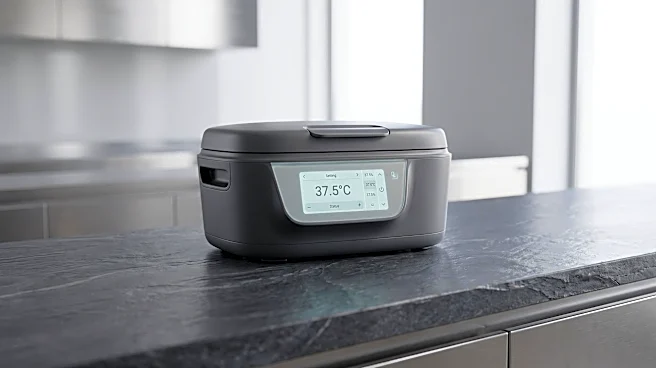
The U.S. Food and Drug Administration (FDA) maintains distinct classifications for blood warmers and infusion fluid warmers, despite both devices serving to warm fluids before patient administration. Blood warmers are categorized under 21 CFR 864.9205,
with non-electromagnetic radiation blood warmers (product codes KZL, BSB) classified as Class II devices, and electromagnetic radiation blood warmers (product code BSA) as Class III devices requiring premarket approval. Infusion fluid warmers, on the other hand, fall under 21 CFR 880.5725 (product codes LGZ thermal, LHF microwave) and are generally Class II devices. This differentiation is based on the intended use of the device, with blood warmers specifically designed to prevent hypothermia from cold blood product infusions.
Why It's Important?
This regulatory distinction by the FDA is critical for manufacturers, healthcare providers, and patients in the U.S. It ensures that devices intended for warming blood, which carries unique biological risks, undergo a more rigorous evaluation process, especially for Class III electromagnetic types. This impacts product development, market entry strategies for medical device companies, and procurement decisions for hospitals and clinics. For patients, these classifications are designed to enhance safety by ensuring that devices meet specific performance and safety standards tailored to their intended use, ultimately reducing risks such as hemolysis or inadequate warming during critical medical procedures like transfusions. The differing regulatory pathways also highlight the FDA's nuanced approach to medical device oversight based on potential patient risk and technological complexity.
What's Next?
Manufacturers of blood and infusion fluid warmers must continue to adhere to these specific FDA regulations for product development, testing, and market approval. The ongoing evolution of medical technology may lead to new types of warming devices, which will necessitate further evaluation and potential updates to existing classifications or the creation of new ones by the FDA. Healthcare facilities will need to remain vigilant in ensuring they use appropriately classified and approved devices for their intended purposes, following manufacturer instructions and facility policies. Continuous research and post-market surveillance will also be essential to monitor the safety and efficacy of these devices in real-world clinical settings, potentially influencing future regulatory guidance and best practices.
Beyond the Headlines
The precise classification of medical devices like blood warmers and infusion fluid warmers reflects a broader regulatory philosophy aimed at balancing innovation with patient safety. The distinction between Class II and Class III devices, particularly the requirement for premarket approval for electromagnetic blood warmers, underscores the FDA's recognition of varying risk levels associated with different technologies. This framework encourages manufacturers to invest in robust research and development to meet stringent safety and efficacy standards. It also highlights the ongoing challenge of regulating rapidly advancing medical technologies, where the line between different device functionalities can blur. The ultimate implication is a healthcare system that strives for meticulous control over medical tools to protect patients, while also fostering an environment for technological progress.