








What's Happening?
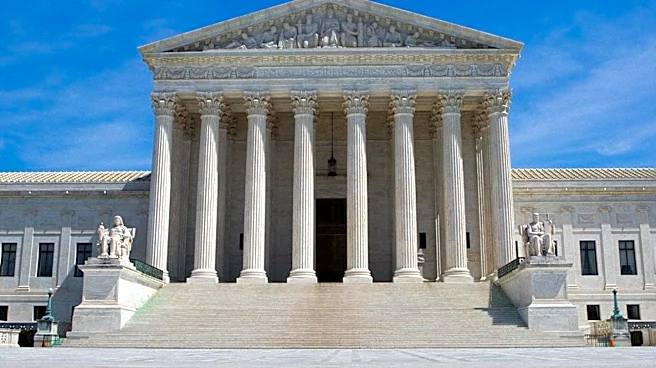
The U.S. Supreme Court is currently deliberating on the interpretation of the Video Privacy Protection Act (VPPA) of 1988 in the context of modern digital media. The case, *Salazar v. Paramount Global*, centers on whether the decades-old law, originally
enacted to protect video rental records, extends to online viewing data shared by media companies. Michael Salazar alleges that Paramount Global, through its subsidiary 247Sports.com, shared his video viewing history with Facebook without his consent. The core legal question is who qualifies as a 'consumer' under the VPPA and whether its protections apply to individuals who subscribe to non-video services from companies that also provide video content. Justice Amy Coney Barrett questioned the limits of interpreting 'videotape service provider' to include entities like a restaurant with videos on its website, while Justice Elena Kagan suggested that obtaining user consent, similar to cookie boxes, could be a simple solution.
Why It's Important?
This case holds significant implications for digital privacy and the business models of online media companies in the U.S. A broad interpretation of the VPPA could force companies to fundamentally change how they collect, share, and monetize user data, particularly viewing habits. This could impact targeted advertising, a cornerstone of many online services, potentially leading to increased costs for consumers or changes in content accessibility. Conversely, a narrow interpretation might leave consumers with less protection for their online viewing data, raising concerns about personal privacy in an increasingly data-driven world. The decision will define the scope of privacy rights for online users and could influence future legislation or industry practices regarding data sharing, affecting a wide range of businesses from streaming services to news websites that host video content.
What's Next?
The Supreme Court heard oral arguments in October, and a decision is anticipated by the end of its current term. The ruling will clarify the applicability of the 1988 Video Privacy Protection Act to contemporary digital platforms and online content consumption. Depending on the Court's interpretation, media companies may need to revise their data collection and sharing practices, potentially implementing more explicit consent mechanisms for users. The outcome could also spur legislative action to update privacy laws to better address the complexities of the digital age, moving beyond the original intent of a law designed for physical video rentals. Both consumers and online businesses are awaiting the decision, which will shape the future of online privacy and data handling.
Beyond the Headlines
The *Salazar v. Paramount Global* case highlights a critical tension between legacy privacy laws and rapid technological advancements. The VPPA, enacted in response to a specific incident involving physical video rental records, now faces the challenge of governing an internet ecosystem where data sharing is pervasive and often opaque. This case forces a re-evaluation of what constitutes 'personally identifiable information' and 'consumer' in a digital context, where user interactions are complex and often involve multiple services from a single provider. The debate over consent, as raised by Justice Kagan, points to a broader societal discussion about user control over personal data and the ethical responsibilities of tech and media companies. The Court's decision could either reinforce the need for proactive user consent in data sharing or signal a more limited scope for existing privacy protections, influencing the ongoing evolution of digital ethics and legal frameworks.