



What's Happening?
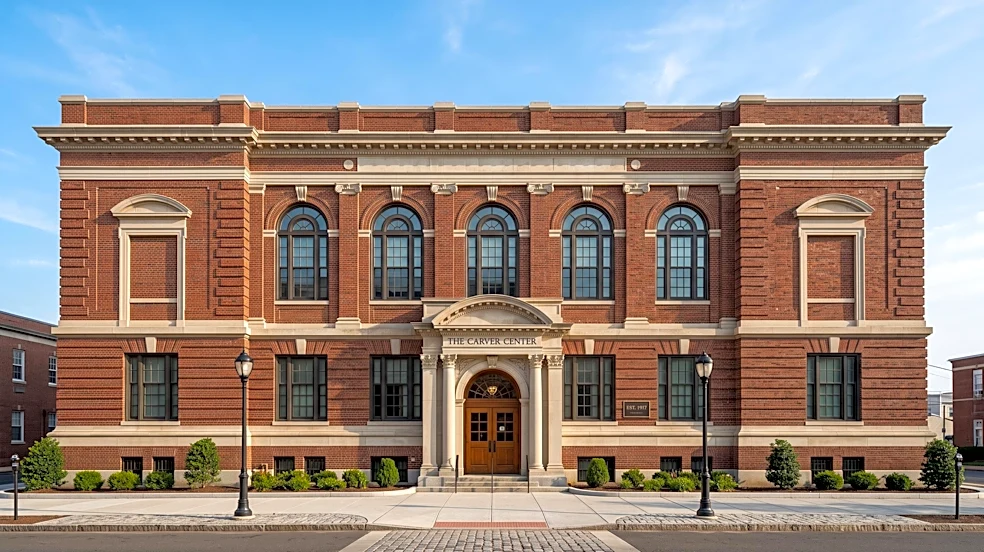
Congresswoman Bonnie Watson Coleman has expressed her support for the restoration of the historic Carver Center in Trenton, New Jersey. The City of Trenton recently held a groundbreaking ceremony for Phase One of the restoration project. The Carver Center,
originally constructed in 1922 by the Sunlight Elks Lodge, a Black fraternal organization, served as a vital social, cultural, and recreational hub for the Black community in Trenton for decades. It later became the Carver Youth and Family Center. The city acquired the property in 2021 to preserve the historic building and protect its future as a community asset. The initial phase of the restoration, funded by over $2.5 million in federal Community Development Block Grant (CDBG) funds, will focus on repairing the building's roof to prevent further deterioration. Mayor Reed Gusciora and other city officials have also highlighted the importance of this project for Trenton's history and neighborhood revitalization.
Why It's Important?
The restoration of the Carver Center is significant for several reasons. It represents a commitment to preserving Black history and cultural heritage in Trenton, New Jersey, by revitalizing a site that was central to the Black community for over a century. The center hosted nationally recognized performers and served as a meeting place for civil rights organizations like the NAACP. The project's reliance on federal Community Development Block Grant (CDBG) funds underscores the role of federal programs in supporting local historic preservation and community development initiatives. This revitalization effort aims to breathe new life into a neglected historic site, ensuring it can continue to serve as a community asset and a symbol of Black excellence and history for future generations. The involvement of Congresswoman Watson Coleman highlights the importance of federal-local partnerships in such endeavors.
What's Next?
The immediate next step for the Carver Center is the completion of Phase One of its restoration, which will focus on repairing the building's roof. This initial work is crucial for protecting the historic structure and preventing further decay. The total restoration is estimated to cost approximately $8 million, indicating that subsequent phases will require additional funding and continued effort. The City of Trenton will likely continue to seek federal and state funding to complete the full rehabilitation of the center. Once fully restored, the Carver Center is expected to resume its role as a vital community resource, potentially offering social, cultural, and recreational programs, thereby empowering the community and honoring its past.
Beyond the Headlines
The restoration of the Carver Center transcends a simple construction project; it is a profound act of cultural preservation and community empowerment. By revitalizing a space that was historically significant for the Black community in Trenton, the project addresses long-standing issues of neglect and underinvestment in historically marginalized areas. It also serves as a tangible reminder of the resilience and contributions of Black Americans, providing a physical link to a rich past that includes civil rights organizing and cultural expression. The project's emphasis on community development and historic preservation through federal funding highlights a broader national conversation about equitable development and the importance of recognizing and investing in diverse cultural heritage sites. This initiative could inspire similar efforts in other cities with neglected historical landmarks.