



What's Happening?
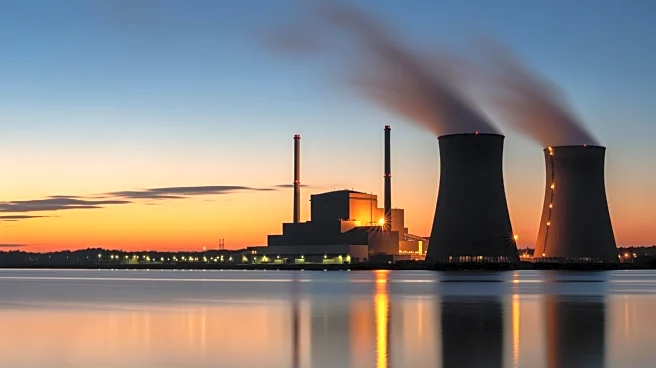
Southeast Asia is increasingly considering nuclear power as a solution to meet its growing energy demands, driven by the need for artificial intelligence-focused data centers. The ongoing conflict in the Middle East has disrupted energy supplies, highlighting
the volatility of fossil fuel costs and supply instability. As a result, several Southeast Asian nations are reviving previously shelved nuclear plans and setting ambitious targets. Nearly half of the region could potentially have nuclear energy by the 2030s. Countries like Malaysia, Cambodia, and Brunei are exploring nuclear energy to achieve greater energy self-reliance and meet growing power needs while reducing emissions.
Why It's Important?
The shift towards nuclear energy in Southeast Asia is significant as it represents a move towards more stable and self-reliant energy sources amidst global energy supply disruptions. The region's growing energy demands, particularly from AI-focused data centers, necessitate reliable and sustainable energy solutions. Nuclear power offers a potential alternative to fossil fuels, which are subject to price volatility and supply instability. This transition could also contribute to reducing carbon emissions, aligning with global efforts to combat climate change. The development of nuclear energy infrastructure could have economic implications, attracting investments and fostering technological advancements in the region.
What's Next?
As Southeast Asian countries pursue nuclear energy, they will need to address challenges such as safety concerns, regulatory frameworks, and public acceptance. The development of nuclear infrastructure will require significant investments and international cooperation. Countries in the region may seek partnerships with established nuclear nations to gain expertise and technology. The success of these nuclear initiatives could influence energy policies and strategies in other regions facing similar energy challenges. Additionally, the geopolitical landscape may shift as countries seek to diversify their energy sources and reduce dependence on fossil fuels.
Beyond the Headlines
The move towards nuclear energy in Southeast Asia raises questions about the long-term sustainability and safety of nuclear power. While nuclear energy offers a low-carbon alternative, concerns about nuclear waste management, potential accidents, and the high costs of nuclear infrastructure remain. The region's pursuit of nuclear energy could also impact global nuclear non-proliferation efforts, as more countries develop nuclear capabilities. Balancing the benefits of nuclear energy with its risks will be crucial for Southeast Asian nations as they navigate their energy futures.