






What's Happening?
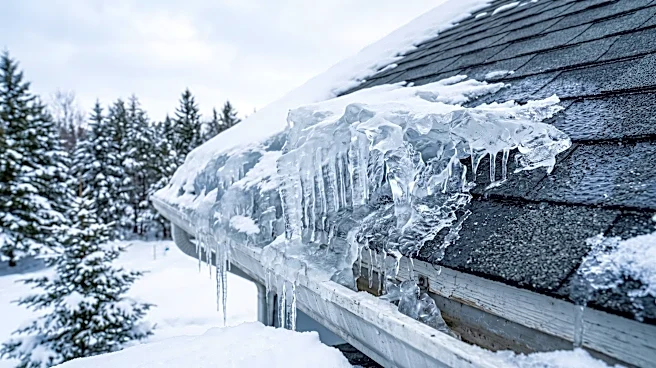
Homeowners are frequently confronted with ice dams, ridges of ice that form at roof edges and trap meltwater, leading to potential water damage inside homes. While the immediate goal is removal, many common DIY methods pose significant risks to both the property
and the individual. Using tools like hammers, chisels, or shovels to chip away ice can severely damage shingles, potentially voiding insurance coverage. Similarly, rock salt (sodium chloride) can harm roofing materials, plants, and metal components. Torches or hot water are fire hazards or ineffective, respectively. The safest and most recommended methods involve using a roof rake from the ground to clear snow, followed by applying calcium chloride ice melt in a nylon stocking to create drainage channels. For severe cases or inaccessible areas, professional steam removal is advised to prevent further damage.
Why It's Important?
The prevalence of ice dams, particularly in regions with fluctuating winter temperatures, makes safe and effective removal a critical concern for homeowners. Improper removal techniques can lead to costly repairs, including roof replacement, and may result in insurance claims being denied due to self-inflicted damage. Beyond property damage, the risk of falls from icy roofs or injuries from using inappropriate tools is substantial. This issue underscores the need for public education on safe practices and the importance of professional intervention when necessary. Understanding the root cause of ice dams—heat leaking into the attic—is also crucial for long-term prevention, involving proper insulation, air sealing, and attic ventilation, which can save homeowners significant money and stress in the future.
What's Next?
Homeowners in cold climates should proactively monitor weather forecasts for thaw-and-freeze cycles after snowfall, which are prime conditions for ice dam formation. Investing in a roof rake and calcium chloride ice melt for safe, ground-level snow and ice removal is a recommended first step. For persistent or large ice dams, contacting a professional service that utilizes steam is the safest course of action. Additionally, homeowners should consider long-term solutions to prevent future ice dams, such as improving attic insulation and ventilation, and ensuring proper air sealing. Insurance companies may also increase efforts to educate policyholders on safe removal practices to mitigate claims related to ice dam damage.
Beyond the Headlines
The issue of ice dam removal extends beyond immediate property concerns, touching upon broader themes of home maintenance, risk management, and consumer responsibility. The temptation for homeowners to undertake DIY solutions, often driven by cost savings or a sense of urgency, can lead to greater financial burdens and personal injury. This highlights a societal challenge in balancing immediate problem-solving with long-term preventative measures and professional expertise. Furthermore, the environmental impact of certain ice melt products, like rock salt, on surrounding vegetation and water systems, adds another layer of consideration. The emphasis on safe, effective, and environmentally conscious methods for ice dam management reflects an evolving understanding of sustainable home care in challenging climates.