






What's Happening?
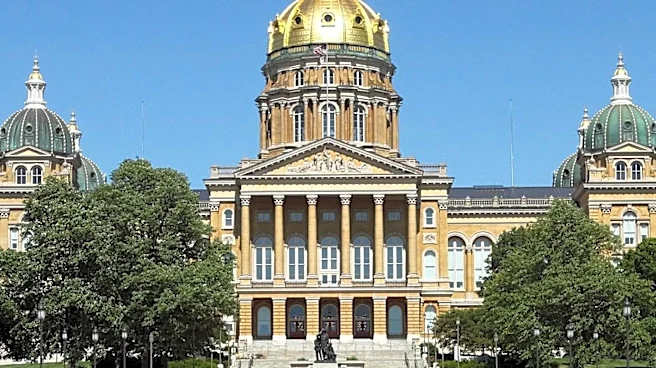
Iowa is considering House File 2631 (HF 2631), a bill that aims to establish a paid family and medical leave insurance program. This program would provide eligible employees with paid, job-protected leave for specific family and medical reasons. The bill integrates
this new program into the core responsibilities of the Department of Workforce Development. It formally titles the new chapter as the 'Iowa Family and Medical Leave Act.' Key definitions are provided, including a comprehensive definition of 'Child' for eligibility purposes, and criteria for 'Covered employer,' which includes private sector employers with ten or more employees for a specified period and all public employers. The bill also defines 'Employee' as a natural person employed in the state for wages by an employer. Eligibility for leave requires an employee to have worked for a covered employer for a minimum of twelve consecutive months. The proposed legislation outlines the conditions under which an employee can take family leave and sets a maximum of twelve weeks of family leave during a defined twelve-consecutive-month period. It also specifies how this twelve-month leave period is calculated and lists conditions under which an employee may be disqualified from receiving benefits.
Why It's Important?
This proposed legislation in Iowa is significant as it addresses a critical gap in worker protections and support. The establishment of a paid family and medical leave program could have a substantial impact on the state's workforce and economy. For employees, it offers financial security and job protection during times of personal or family health crises, childbirth, or adoption, reducing the burden of choosing between income and caregiving responsibilities. This could lead to improved employee morale, reduced turnover, and increased workforce participation, particularly among women and caregivers. For businesses, while there might be initial adjustments, the long-term benefits could include a more stable and productive workforce, as employees are less likely to leave their jobs due to family or medical needs. The bill's clear definitions for 'Child,' 'Covered employer,' and 'Employee,' along with specified eligibility and disqualification criteria, aim to create a structured and equitable system. The integration of the program into the Department of Workforce Development suggests a coordinated effort to manage and implement these new benefits, potentially streamlining the process for both employers and employees. This move aligns Iowa with a growing national trend towards more comprehensive family and medical leave policies, reflecting evolving societal expectations for work-life balance and employee well-being.
What's Next?
The next steps for HF 2631 involve its progression through the Iowa legislative process. This will likely include committee hearings, debates, and potential amendments as lawmakers consider the bill's various provisions and their implications. Stakeholders, including business associations, labor unions, and advocacy groups, are expected to engage with legislators to voice their support or concerns, potentially influencing the bill's final form. If passed, the Department of Workforce Development will be tasked with developing and implementing the administrative framework for the new family and medical leave insurance program. This would involve establishing procedures for applications, benefit disbursements, and employer compliance. Businesses in Iowa, particularly those meeting the 'covered employer' criteria, would need to prepare for the new requirements, which may include adjusting human resources policies, payroll systems, and employee benefits communications. Employees would need to be informed about their new rights and the process for applying for leave. The effective date of the legislation, if enacted, would determine the timeline for these changes and the commencement of the program's benefits.
Beyond the Headlines
The introduction of HF 2631 in Iowa reflects a broader national conversation about the role of government in supporting working families and addressing economic inequalities. Paid family and medical leave policies are increasingly viewed as essential for a modern workforce, contributing to public health, economic stability, and gender equity. Beyond the immediate benefits of financial support and job protection, such policies can foster a more inclusive work environment, allowing individuals from diverse backgrounds to maintain employment while fulfilling caregiving responsibilities. This bill could also set a precedent for other states that have yet to implement similar programs, contributing to a nationwide shift in labor standards. The ethical implications revolve around the societal responsibility to support individuals during vulnerable times, balancing the needs of employees with the operational considerations of businesses. The long-term impact could include a redefinition of employer-employee relationships, emphasizing employee well-being as a critical component of business success. Furthermore, the success and challenges of implementing this program in Iowa could provide valuable insights for future policy development at both state and federal levels, influencing discussions on social safety nets and workforce development strategies.