





What's Happening?
Georgia Governor Brian Kemp has officially endorsed incumbent Republican Agriculture Commissioner Tyler Harper for his 2026 re-election campaign. Harper, a seventh-generation farmer and former state senator, was initially elected in 2022 and is responsible
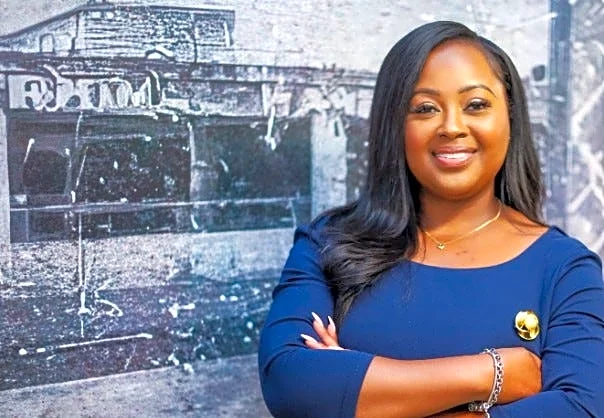
for overseeing Georgia's primary economic sector. Governor Kemp highlighted Harper's achievements in his endorsement, specifically mentioning his efforts to support farmers and consumers across the state. Harper's tenure has included the establishment of the Georgia Farmland Conservation Fund, the implementation of restrictions on foreign land ownership, and the creation of new regulatory frameworks for consumable hemp products. Before his statewide election, Harper served ten years in the Georgia State Senate from 2012 to 2022. Agriculture is a significant economic driver for Georgia, contributing an estimated $91.4 billion annually and supporting approximately 400,000 jobs. Harper is running against Democratic challenger Katherine Juhan-Arnold, a first-time candidate with a background in nonprofit leadership and community development.
Why It's Important?
This endorsement from Governor Kemp is significant as it signals strong Republican party unity and support for an incumbent in a crucial statewide office. Georgia's agricultural sector is its largest economic driver, making the role of Agriculture Commissioner vital for the state's prosperity and food security. The policies enacted by Commissioner Harper, such as the Georgia Farmland Conservation Fund and restrictions on foreign land ownership, directly impact the livelihoods of farmers and the broader agricultural industry. His focus on the agricultural supply chain and farm families, as praised by Governor Kemp, underscores the importance of these issues to the state's economy. The outcome of this election will determine the future leadership of this critical sector, influencing agricultural policies, economic stability for farmers, and consumer costs for food. The endorsement also reflects Governor Kemp's continued strategy of backing key Republican candidates ahead of the election cycle, aiming to consolidate party strength.
What's Next?
Following Governor Kemp's endorsement, Commissioner Harper will continue his re-election campaign, leveraging the support of the state's top executive. The campaign will likely focus on Harper's track record and his contributions to Georgia's agricultural industry, as highlighted by Kemp. His opponent, Katherine Juhan-Arnold, will need to articulate her vision and differentiate her platform to challenge the incumbent effectively. The election cycle will see both candidates engaging with voters, particularly those in the agricultural community, to secure support. The race will also be influenced by broader political dynamics in Georgia, as Governor Kemp continues to make other endorsements for Republican candidates. The future of Georgia's agricultural policies, including land conservation and regulatory frameworks, will be determined by the election's outcome, impacting farmers, consumers, and the state's economy for the next four years.
Beyond the Headlines
The endorsement of Commissioner Harper by Governor Kemp extends beyond a simple political backing; it underscores the deep-seated importance of agriculture in Georgia's identity and economy. The emphasis on protecting Georgia farmland and the food supply from threats, as mentioned by Kemp, reflects growing concerns about food security and the preservation of agricultural resources. The restrictions on foreign land ownership, a policy championed by Harper, touch upon broader debates about national security, economic sovereignty, and the control of vital resources. This election is not just about a political office but about the strategic direction of Georgia's most significant industry. The outcome could influence long-term land use policies, environmental regulations related to farming, and the state's approach to global agricultural trade. The race also highlights the ongoing political competition in Georgia, with both parties vying for control over key state offices that have substantial impacts on daily life and economic stability.