





What's Happening?
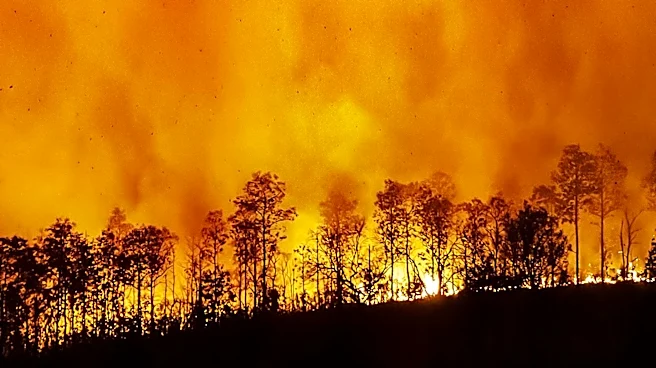
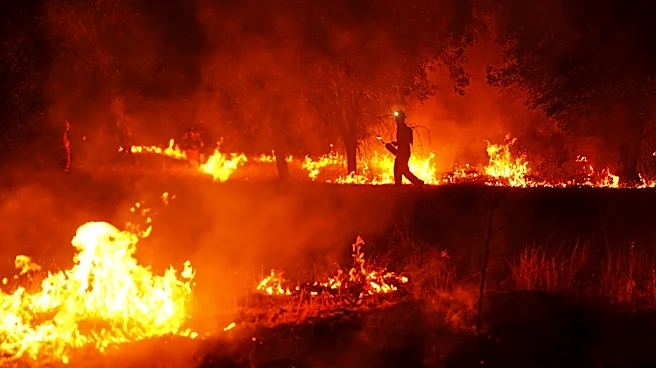
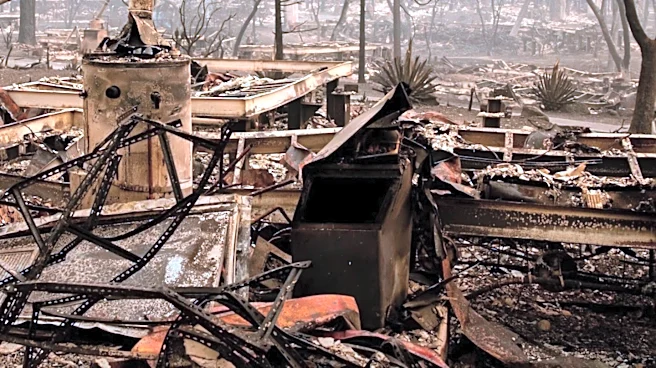
An expert from the Icelandic Meteorological Office has highlighted the increasing frequency and severity of wildfires as a direct consequence of climate change. Guðrún Nína Petersen, head of weather model development, noted that longer and hotter summers
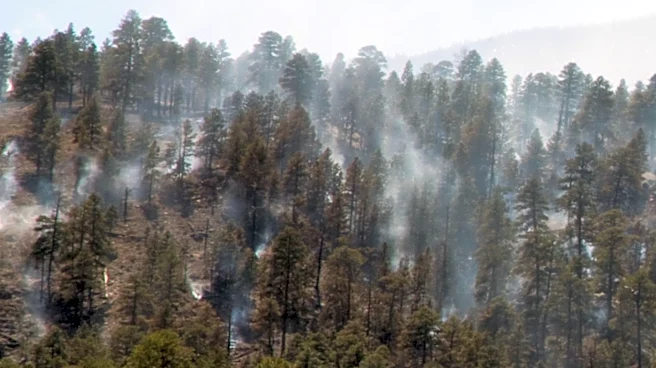
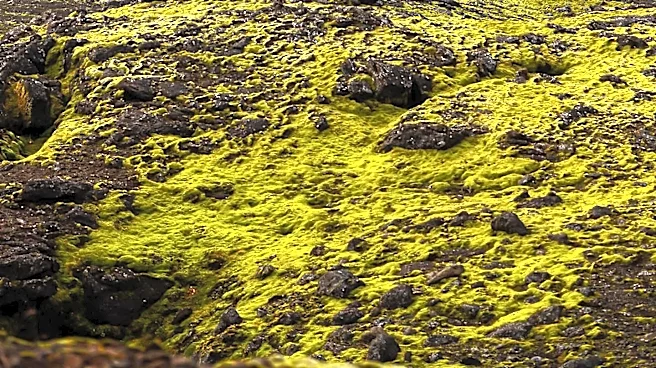
are elevating the risk of vegetation fires in Iceland. This trend is not isolated to Iceland, as southern Europe is also experiencing extreme heat and destructive wildfires, with significant evacuations in France and Spain. Petersen emphasized that the changing climate is not only drying vegetation but also altering forest compositions, making them more susceptible to fires. The extension of the wildfire season is a growing concern, necessitating improved land management and planting practices to mitigate risks.
Why It's Important?
The warning from Icelandic meteorologists underscores the broader implications of climate change on global ecosystems and human safety. As wildfires become more frequent and severe, they pose significant threats to biodiversity, human health, and property. The situation in Iceland reflects a global pattern where climate change exacerbates natural disasters, leading to increased economic costs and humanitarian challenges. The need for urgent climate action is highlighted, as failure to address these issues could result in more severe environmental and societal impacts. This development calls for international cooperation and policy changes to mitigate climate change effects and protect vulnerable regions.
What's Next?
In response to the growing threat of wildfires, Iceland and other affected regions may need to implement more robust land management strategies and invest in fire prevention and response infrastructure. Policymakers might prioritize climate adaptation measures, including reforestation and sustainable land use practices. Additionally, international climate agreements could see renewed focus and commitment as countries recognize the urgent need to curb greenhouse gas emissions. The scientific community may also intensify research efforts to better understand and predict climate-related changes, aiding in the development of effective mitigation strategies.
Beyond the Headlines
The increasing frequency of wildfires due to climate change raises ethical and legal questions about responsibility and accountability. As the impacts of climate change become more pronounced, there may be growing pressure on governments and corporations to take responsibility for their contributions to global warming. This could lead to legal actions and policy shifts aimed at reducing carbon footprints and promoting sustainable practices. Culturally, the heightened awareness of climate change impacts may drive public demand for more aggressive environmental policies and lifestyle changes to reduce individual and collective carbon emissions.