


What's Happening?
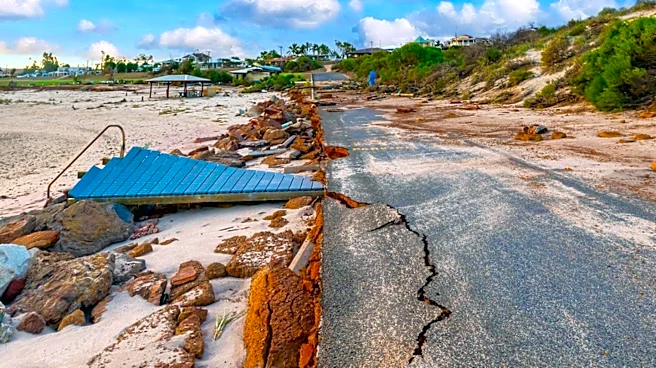
North Carolina state lawmakers and Dare County commissioners convened a town hall in Buxton to discuss potential solutions for the increasingly vulnerable N.C. 12 highway, particularly near the Pea Island Visitor Center. Estimates for a temporary relocation
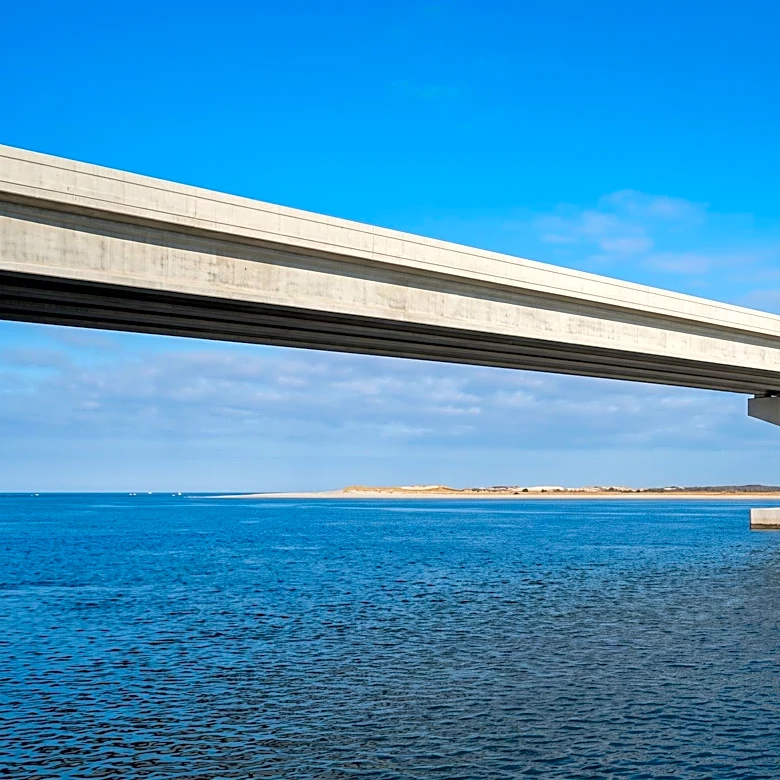
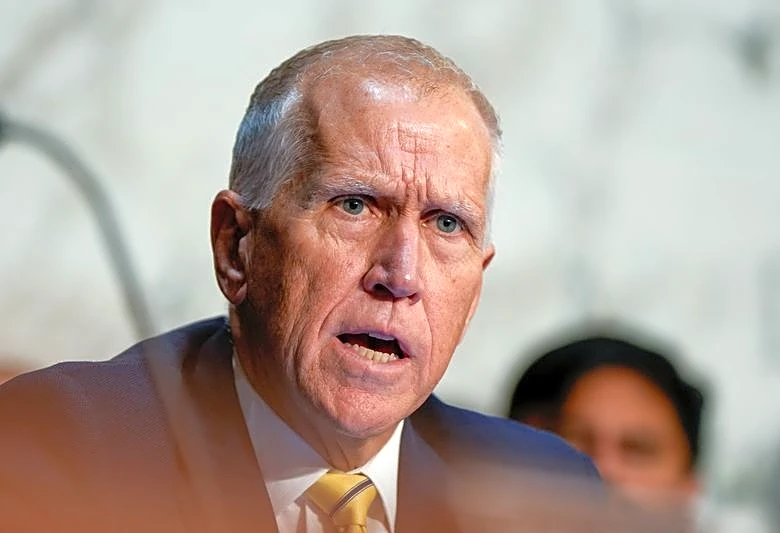
range from $6 million to $9 million, while a permanent bridge could cost hundreds of millions, potentially up to $750 million. State legislators, including Sens. Jerry Tillett, Michael Lazzara, and Norman Sanderson, and Rep. Keith Kidwell, stressed that North Carolina lacks the financial resources for such a major project independently, making substantial federal funding essential. The discussion also touched upon the millions already spent on maintaining the highway and the economic importance of N.C. 12 to the tourism-dependent economies of Hatteras and Ocracoke islands. U.S. Rep. Greg Murphy and U.S. Sen. Ted Budd have been contacted regarding the highway's needs.
Why It's Important?
The ongoing vulnerability of N.C. 12 poses a significant threat to the economic stability and emergency access of Hatteras and Ocracoke islands, which rely heavily on tourism. Frequent road closures disrupt commerce, isolate residents, and create critical challenges for emergency services, as highlighted by an incident involving a woman in labor during a recent storm. The debate over funding underscores a broader national issue of infrastructure resilience in the face of climate change and rising maintenance costs. The reliance on federal funding for a state highway project illustrates the scale of investment required and the limitations of state budgets for large-scale infrastructure improvements. This situation impacts not only local communities but also the state's overall tourism revenue and economic output, as Dare County is a top contributor to North Carolina's visitor spending.
What's Next?
Lawmakers plan to prioritize securing funding and necessary approvals for a temporary westward relocation of N.C. 12 as an immediate measure. Concurrently, efforts will continue to lobby federal officials, including U.S. Rep. Greg Murphy and U.S. Sen. Ted Budd, for substantial federal assistance for a permanent solution. The proposed relocation also necessitates moving the Pea Island Visitor Center, with discussions already underway with the National Park Service and U.S. Fish and Wildlife Service. Additionally, there is a push to reconsider North Carolina's restrictions on hardened shoreline structures, which could offer alternative protection methods for critical infrastructure. The effectiveness of these efforts will determine whether a lasting solution can be implemented before further significant damage occurs to the highway.
Beyond the Headlines
The N.C. 12 situation reflects a complex interplay of environmental challenges, economic imperatives, and political will. Beyond the immediate infrastructure concerns, it highlights the broader debate on coastal management strategies, including the controversial use of hardened structures versus natural solutions. The repeated need for federal intervention for state infrastructure projects raises questions about long-term funding models and intergovernmental responsibilities for critical assets. Ethically, the discussion involves balancing environmental preservation (e.g., wildlife refuges) with human safety and economic viability. The community's frustration with delayed action, despite years of identified problems, points to systemic challenges in governmental responsiveness and resource allocation for long-term, high-cost infrastructure projects in vulnerable regions.