







What's Happening?
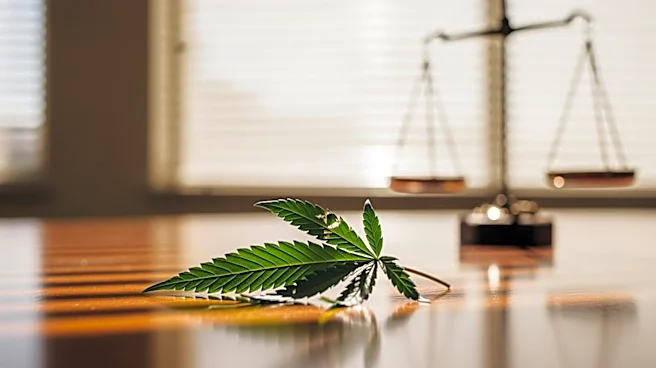
The Texas Supreme Court has effectively banned delta-8 THC products, a decision that significantly impacts the state's hemp industry. Concurrently, a Travis district court has allowed the hemp industry to continue offering other products until a trial
scheduled for July 27. This dual-court scenario presents a complex legal landscape for hemp businesses in Texas, as they navigate the implications of these rulings. The ban on delta-8 THC, a compound derived from hemp, affects producers and consumers who have relied on these products for various uses.
Why It's Important?
The Texas Supreme Court's decision to ban delta-8 THC is significant as it disrupts a growing segment of the hemp industry, potentially affecting businesses and consumers who have invested in these products. The ruling may lead to economic losses for producers and retailers, as well as limit consumer access to delta-8 THC products. The district court's decision to allow other hemp products to continue being sold provides temporary relief to the industry, but the upcoming trial will be crucial in determining the future regulatory landscape for hemp in Texas. These legal developments highlight the ongoing challenges and uncertainties faced by the hemp industry in navigating state regulations.
What's Next?
The upcoming trial on July 27 will be a pivotal moment for the Texas hemp industry, as it will determine the long-term regulatory framework for hemp products in the state. Industry stakeholders, including producers, retailers, and consumers, will be closely monitoring the trial's outcome. The decisions made could set precedents for how hemp and its derivatives are regulated in Texas and potentially influence other states' approaches to similar products. Legal and industry experts will likely engage in discussions and advocacy efforts to shape the future of hemp regulation.