







What's Happening?
The UN Human Rights Council has adopted a resolution condemning the ongoing war in Sudan and extending the mandate of the Independent International Fact-Finding Mission on Sudan for another year. The resolution, passed with 28 votes in favor, 10 against,
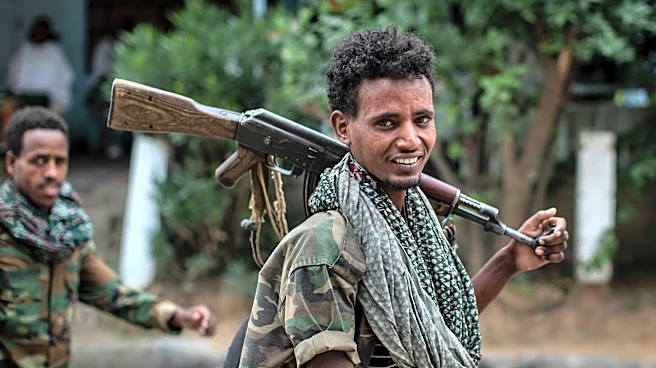
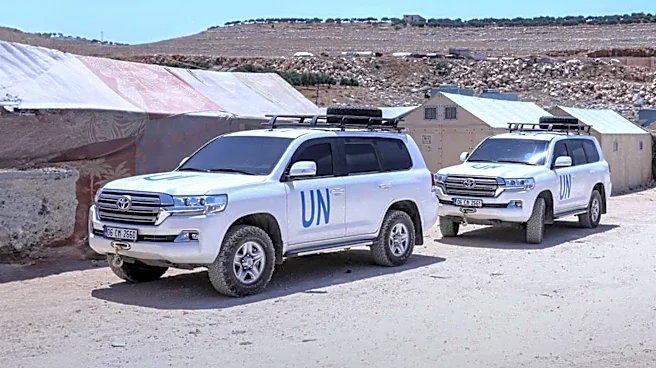
and 9 abstentions, strongly condemns external interference, including weapons supplies and the deployment of foreign fighters, fueling the conflict between the Sudanese Armed Forces and the Rapid Support Forces (RSF) militia. The council urged all Sudanese parties and external actors to respect Sudan’s unity and territorial integrity, comply with UN Security Council resolutions, and halt military support to warring factions. The resolution also highlighted the severe humanitarian crisis, with over 33 million people requiring aid, 11.3 million internally displaced, and 4.6 million refugees in neighboring countries. It warned of severe acute food insecurity affecting 19.5 million people, with famine conditions threatening 14 areas in Darfur and South Kordofan. Sudan’s delegate expressed reservations, citing sovereign concerns and the resolution's failure to address RSF violations or acknowledge the national judicial system.
Why It's Important?
The extension of the fact-finding mission and the condemnation of the conflict by the UN Human Rights Council underscore the international community's growing concern over the humanitarian catastrophe and human rights abuses in Sudan. This move aims to ensure accountability for grave atrocities, as detailed in previous reports, and to maintain international pressure for a peaceful resolution. The resolution's call for an immediate, unconditional ceasefire and unhindered humanitarian access is critical for alleviating the suffering of millions facing displacement, hunger, and violence. The emphasis on preventing external interference highlights the destabilizing role of foreign actors in prolonging the conflict, which has broader implications for regional stability and international security. The differing votes, particularly from Egypt and Qatar, who opposed the resolution due to concerns about equating the national army with the RSF militia, reveal the complex geopolitical dynamics and sensitivities surrounding the conflict and the challenges in achieving unified international action.
What's Next?
The extended mandate of the Independent International Fact-Finding Mission means that evidence of abuses and atrocities in Sudan will continue to be collected and analyzed, potentially leading to future prosecutions and increased pressure on those responsible. The UN Human Rights Council's call for an immediate ceasefire and an inclusive, civilian-led political transition sets a clear objective for the international community and the warring parties. Continued diplomatic efforts will likely focus on implementing the Jeddah Declaration on protecting civilians and ensuring humanitarian access. The resolution's condemnation of external interference suggests that there may be increased scrutiny and potential sanctions against countries or entities providing military support to either side. The ongoing humanitarian crisis will require sustained international aid and coordination to address the needs of displaced populations and those facing severe food insecurity. The differing views among member states on the resolution indicate that achieving a consensus-based approach to the Sudanese conflict will remain a challenge.
Beyond the Headlines
The situation in Sudan reflects a broader pattern of protracted conflicts where civilian populations bear the brunt of violence, displacement, and humanitarian crises. The UN Human Rights Council's actions, while crucial for accountability and advocacy, also highlight the limitations of international bodies in enforcing resolutions and achieving immediate cessation of hostilities. The debate over equating a national army with a militia raises complex questions about sovereignty, international law, and the appropriate role of external intervention in internal conflicts. The 'hallmarks of genocide' finding by the fact-finding mission in El-Fasher underscores the extreme severity of the human rights violations and the urgent need for protection. This conflict also serves as a stark reminder of the interconnectedness of global security, as regional instability and refugee flows can have far-reaching consequences. The long-term implications include the potential for a lost generation due to displacement and lack of education, and the enduring challenge of rebuilding a fractured nation and fostering lasting peace.