


What's Happening?
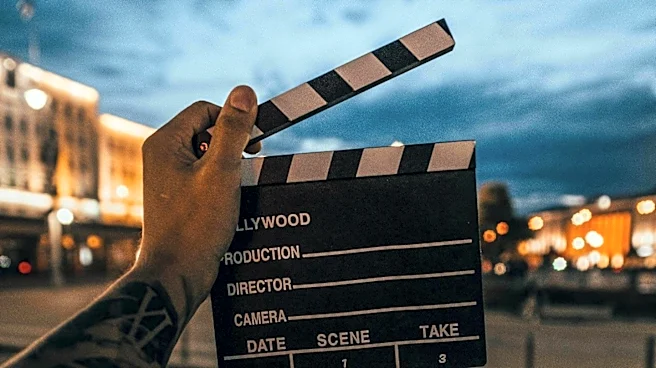
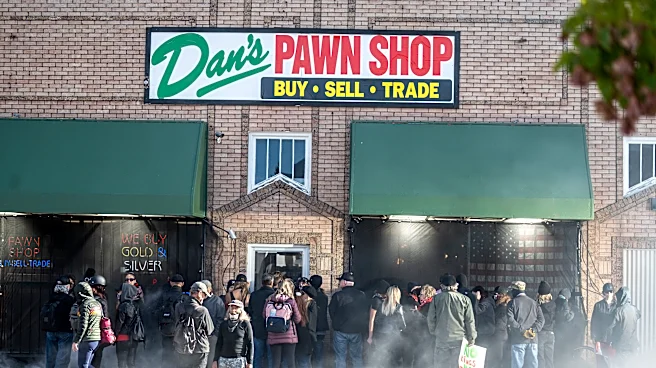
The Livingston City Commission has unanimously voted to permit the continuation of filming for the movie 'Pawn Shop' in Livingston, Montana. This decision follows a nearly seven-hour meeting that included extensive public comment and occurred two days
after the commission had temporarily paused the film's operations. The production, backed by the Daily Wire, has generated significant local backlash due to concerns over potentially dangerous set operations and the film's narrative, which focuses on an ICE agent battling Antifa protesters and MS-13 gang members. Producers have committed to adhering to permit regulations, including ensuring access to a local food pantry, managing private security activities, and maintaining proper signage and notifications for affected neighbors. The film is slated to conclude filming on Saturday.
Why It's Important?
This situation highlights the tension between local community concerns and the economic benefits and operational demands of film productions. The controversy in Livingston reflects broader national debates surrounding immigration enforcement and culture war narratives, as the film's content has been a significant point of contention. The incident also underscores the challenges small towns face when hosting large-scale productions, particularly regarding public safety, community notification, and the impact on local businesses and residents. The city's minimal framework for film permits was exposed, leading to calls for updated regulations to better manage future productions and address community needs. The unanimous decision by the commission, despite strong public opposition, indicates a complex balancing act between supporting local economic activity and addressing resident grievances.
What's Next?
Filming for 'Pawn Shop' is expected to recommence immediately and conclude by Saturday, as per the producers' schedule. The Livingston City Commission is likely to review and potentially revise its film permit ordinances and codes to address the shortcomings exposed by this production. This could lead to more comprehensive regulations regarding public safety, community engagement, and operational transparency for future film projects. Stakeholders, including local residents, businesses, and film industry representatives, will likely continue to monitor the situation and engage in discussions about the future of film production in Livingston. The local producer, Ari Novak, expressed a desire to remain a good neighbor, suggesting ongoing efforts to mend community relations after the film crew departs.
Beyond the Headlines
The 'Pawn Shop' controversy in Livingston delves into deeper implications beyond just film production logistics. It exposes the cultural and political divides present within communities, as the film's conservative-leaning narrative on immigration and law enforcement sparked strong reactions. The debate also touches upon the ethical responsibilities of filmmakers and local authorities in managing the impact of their work on a community, particularly when sensitive themes are involved. The concerns raised about armed security guards and their interactions with residents highlight issues of public space, private security, and the potential for intimidation. This event could serve as a case study for other small towns considering hosting film productions, prompting them to develop more robust frameworks that prioritize community well-being alongside economic opportunities.