






What's Happening?
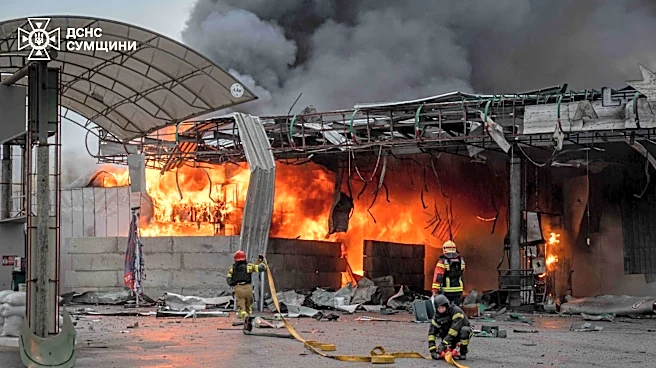
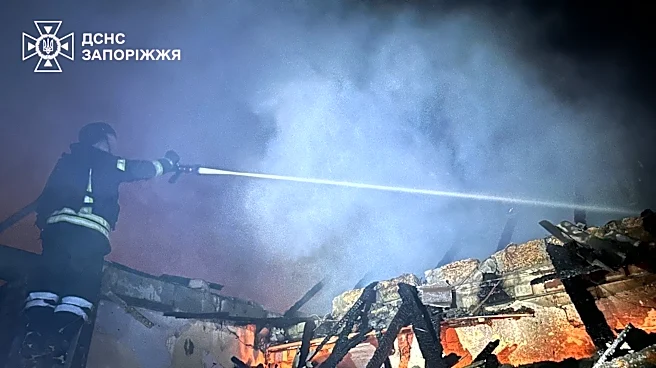
Crimea's tourism season is facing significant challenges due to ongoing Ukrainian military strikes targeting the region's logistical and military infrastructure. The strikes, aimed at severing Russian supply lines, have led to disruptions in energy supplies,
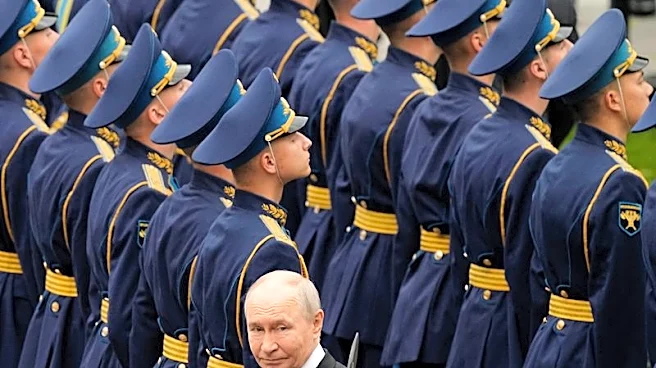
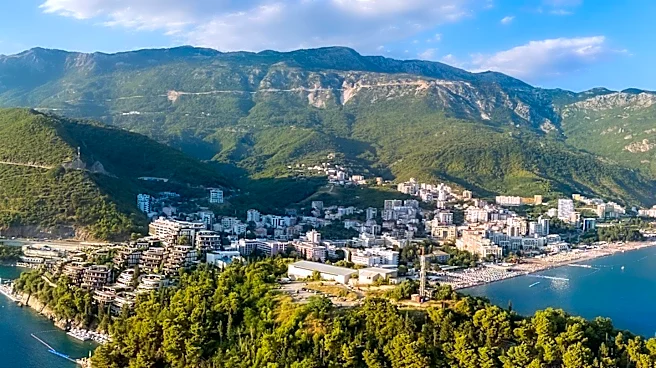
fuel shortages, and pollution along the coast. These conditions have resulted in a high rate of hotel booking cancellations and a decline in tourist arrivals. The situation has been exacerbated by the closure of the Crimean Bridge, a critical transport link, following attacks. Russian President Vladimir Putin has acknowledged the impact of these strikes on the tourism sector, which was once a popular destination for Russian tourists.
Why It's Important?
The disruption of Crimea's tourism season highlights the broader impact of the ongoing conflict between Ukraine and Russia on civilian life and economic activities. The tourism industry, a vital part of Crimea's economy, is suffering due to the instability and safety concerns. This situation underscores the strategic importance of Crimea in the conflict, as Ukraine's efforts to isolate the peninsula aim to weaken Russian control. The decline in tourism not only affects local businesses and employment but also reflects the broader geopolitical tensions in the region. The situation serves as a reminder of the human and economic costs of prolonged military conflicts.
What's Next?
As the conflict continues, the future of Crimea's tourism industry remains uncertain. Ukrainian military actions are likely to persist, further impacting the region's infrastructure and economy. Russian authorities may attempt to mitigate the situation by offering incentives to tourists, such as discounts and assurances of safety. However, the ongoing instability may deter potential visitors. The international community will continue to monitor the situation, as the conflict in Crimea has broader implications for regional security and international relations. The outcome of this situation could influence future diplomatic and military strategies in the region.
Beyond the Headlines
The situation in Crimea also raises ethical and cultural questions about tourism in conflict zones. The decision of some tourists to visit despite the risks highlights differing perceptions of safety and the influence of state media narratives. Additionally, the environmental impact of military actions, such as oil spills and pollution, poses long-term challenges for the region's natural resources and public health. The conflict has also intensified local sentiments towards Russian tourists, with some residents expressing frustration over the continued influx of visitors amidst the ongoing crisis.