







What's Happening?
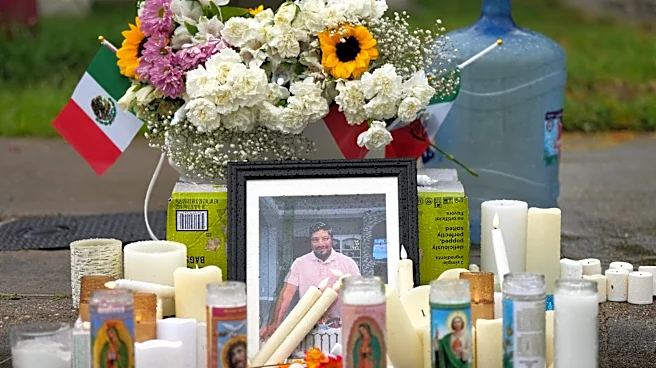
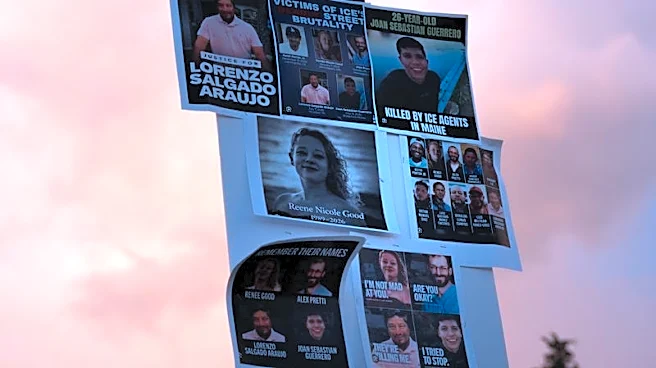
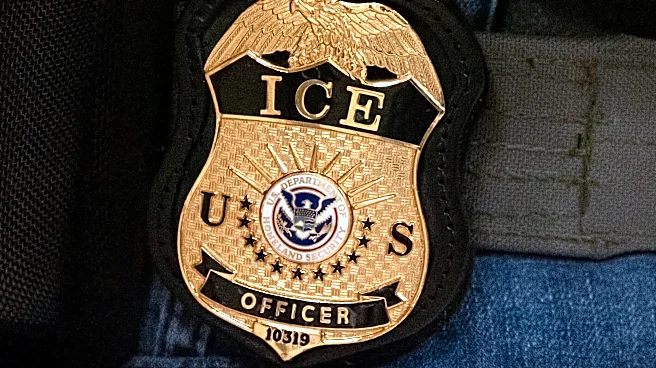
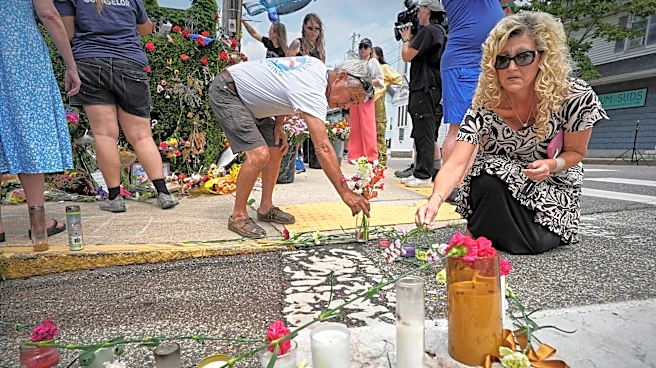
The Trump administration has directed Immigration and Customs Enforcement (ICE) to suspend most vehicle stops after two fatal shootings involving ICE officers. The decision follows the shooting of a Colombian driver in Maine and another incident in Houston,
both of which have sparked criticism of ICE's enforcement tactics. The policy change allows exceptions for executing criminal warrants or collaborating with partner agencies. The shootings have led to protests and calls for a comprehensive investigation into ICE's methods, with Maine's congressional delegation demanding transparency and accountability.
Why It's Important?
The suspension of vehicle stops by ICE marks a significant shift in the agency's enforcement strategy, reflecting growing public scrutiny and criticism of its tactics. The decision comes amid heightened tensions over immigration policies and enforcement practices, which have been a contentious issue throughout President Trump's administration. The move could impact ICE's operational effectiveness and its ability to carry out its mandate, while also addressing concerns about the use of force and the protection of civil liberties. The situation underscores the ongoing debate over immigration enforcement and the balance between security and human rights.
What's Next?
The Department of Homeland Security, which oversees ICE, is expected to conduct a thorough investigation into the recent shootings. The outcomes of these investigations could lead to further policy changes or reforms within the agency. Additionally, the incidents may influence legislative discussions on immigration policy and enforcement practices. Stakeholders, including civil rights organizations and immigrant advocacy groups, are likely to continue pushing for greater oversight and accountability in ICE operations. The situation remains fluid, with potential implications for future immigration enforcement strategies.