







What's Happening?
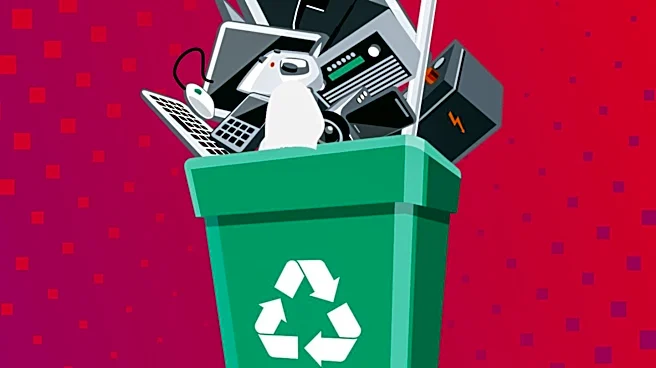
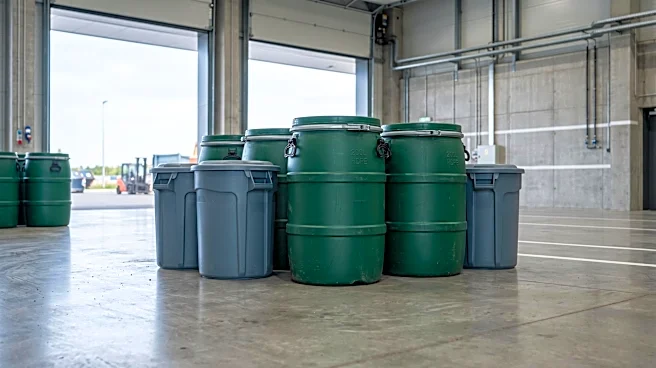
Denver's Household Hazardous Waste Collection Program has reached its capacity and has temporarily suspended collection services. The city anticipates restoring sponsorship for the program by early 2027. This program allows Denver residents to properly
dispose of and recycle toxic household products that are harmful if improperly discarded. These items include automotive fluids, batteries, various chemicals, paints, pesticides, and other hazardous materials. Residents were previously eligible for one collection appointment per calendar year, subject to availability, with a $15 co-payment. The program cannot accept asbestos, explosives, ammunition, commercial chemicals, bio-waste, or sharps.
Why It's Important?
The suspension of Denver's Household Hazardous Waste Collection Program creates a significant challenge for residents seeking to dispose of toxic materials safely. Improper disposal of hazardous waste can lead to severe environmental contamination, polluting soil and water sources, and posing health risks to humans and animals. Without a readily available collection service, residents may be forced to store hazardous items for extended periods or, in some cases, resort to illegal dumping, exacerbating environmental and public health concerns. This situation underscores the critical role such municipal programs play in maintaining public safety and environmental integrity within urban areas, highlighting the need for consistent funding and capacity to meet community demand.
What's Next?
Denver residents are advised to check back for status updates on the Household Hazardous Waste Collection Program, with the city anticipating a restoration of services by early 2027. In the interim, residents may need to explore alternative disposal methods for hazardous waste, though the program's website suggests inquiring with 'At Your Door' for direct services. The city's announcement does not detail the specific reasons for reaching capacity or the measures being taken to restore the program, but it implies a need for renewed sponsorship or increased operational resources. Residents with hazardous materials should store them safely until the program resumes or alternative solutions become available.
Beyond the Headlines
The temporary suspension of Denver's hazardous waste collection program reflects broader challenges faced by municipal waste management systems, often stemming from funding constraints, increasing demand, or logistical complexities. This situation could prompt a reevaluation of Denver's long-term strategy for hazardous waste disposal, potentially leading to more robust funding models, expanded collection infrastructure, or partnerships with private entities. It also highlights the importance of public awareness regarding proper waste disposal and the potential consequences of inadequate services. The incident serves as a reminder that essential environmental services require continuous support and planning to prevent adverse impacts on community health and the environment.