






What's Happening?
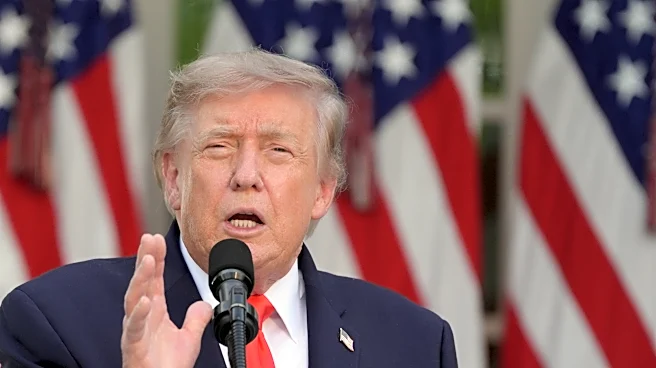
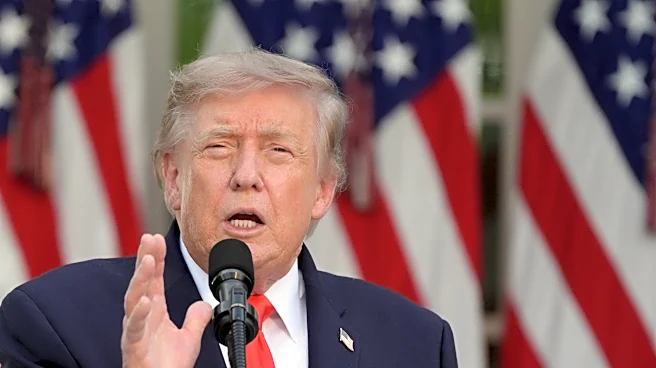
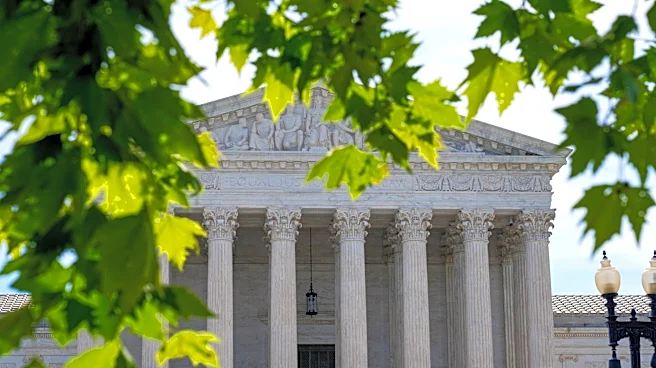
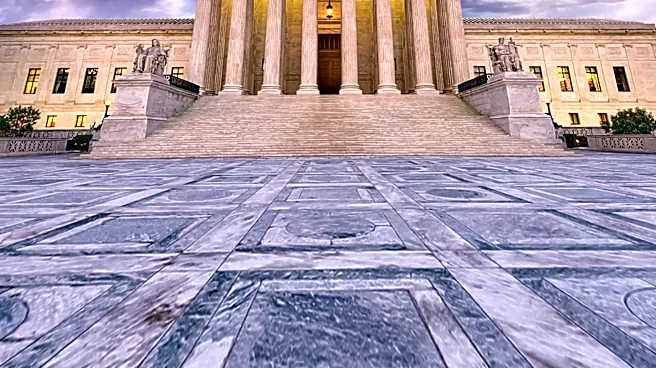
The Supreme Court has ruled in favor of the Trump administration's decision to end Temporary Protected Status (TPS) for migrants from Haiti and Syria. This 6-3 decision allows the Department of Homeland Security to proceed with deportations, affecting
hundreds of thousands of individuals who have been living in the U.S. under TPS. The court's ruling emphasizes the executive branch's authority over immigration policy, stating that federal judges cannot review the administration's decisions regarding TPS. Justice Samuel Alito, writing for the majority, defended the administration's broad executive powers, while Justice Elena Kagan criticized the decision for removing judicial oversight and potentially allowing arbitrary government actions.
Why It's Important?
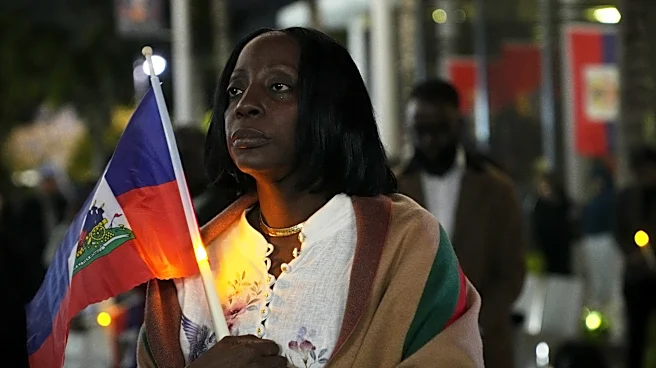
The ruling has significant implications for U.S. immigration policy and the lives of TPS holders. By allowing the Trump administration to end TPS for Haitians and Syrians, the decision could lead to mass deportations, affecting individuals who have established lives in the U.S. over many years. This decision highlights the ongoing debate over the balance of power between the executive branch and the judiciary in shaping immigration policy. It also raises concerns about the potential for discriminatory practices in immigration decisions, as noted by dissenting justices.
What's Next?
With the Supreme Court's decision, the Department of Homeland Security can move forward with plans to end TPS for the affected groups. This will likely lead to legal and logistical challenges as individuals lose their legal status and work authorization. Immigration advocates and affected individuals may seek alternative legal avenues to challenge the decision or adjust their status. Additionally, the ruling may prompt legislative efforts to provide more permanent solutions for TPS holders, as seen in previous bipartisan attempts to extend protections for certain groups.