



What's Happening?
Southwest Missouri Congressman Eric Burlison has voiced support for a temporary ban on license plate reader cameras until more robust privacy protections are established. This stance comes as Missouri sheriffs are also advocating for additional safeguards
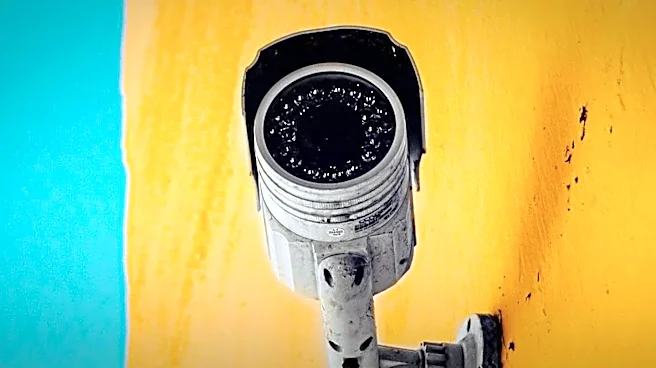
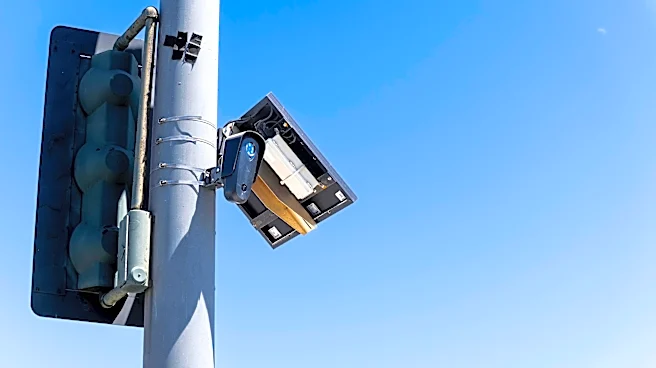
for these automated license plate reader (ALPR) systems, according to Ozark Radio News. The debate intensified after incidents such as the St. Charles County Police Department discontinuing its use of Flock cameras due to a former employee's alleged unauthorized searches, and the Pulaski County Sheriff’s Office planning to cease camera use following resident privacy concerns. Missouri Sheriffs’ Association President Matt Oller acknowledged the potential for misuse and emphasized the need for measures to limit such occurrences and impose penalties for improper use. Sheriffs generally support data retention limits, with some favoring requirements for vendors to delete information after a set period and ensuring agencies maintain ownership of the collected data. Oller clarified that ALPRs typically capture only a picture of a vehicle's rear with its license plate, along with the date and time, without identifying occupants or confirming plate ownership.
Why It's Important?
The discussion surrounding license plate reader cameras and the call for a temporary ban by Congressman Burlison highlight a growing tension between public safety and individual privacy rights in the U.S. The widespread deployment of ALPR technology by law enforcement agencies offers significant benefits in solving crimes, including homicides and missing person cases, as noted by Missouri Sheriffs’ Association President Matt Oller. However, the incidents of alleged misuse, such as unauthorized data searches, underscore the potential for civil liberties infringements. Stronger privacy protections, including data retention limits and penalties for misuse, are crucial to maintaining public trust and ensuring that technological advancements do not inadvertently erode fundamental rights. This issue has broader implications for how technology is regulated and integrated into law enforcement practices across the nation, potentially influencing future legislation on data collection and surveillance technologies at both state and federal levels. The outcome in Missouri could set a precedent for other states grappling with similar privacy concerns.
What's Next?
The immediate next steps will likely involve continued discussions and potential legislative efforts to establish stronger privacy protections for data collected by license plate reader cameras. Congressman Burlison's support for a temporary ban suggests that federal or state-level actions could be pursued to address these concerns. The Missouri Sheriffs’ Association's backing of data limits and misuse penalties indicates a willingness among law enforcement to collaborate on solutions that balance investigative utility with privacy. Vendors of ALPR systems, such as Flock, may face increased scrutiny and pressure to adapt their services to comply with stricter regulations regarding data retention and ownership. Public awareness campaigns, as encouraged by Matt Oller, could also play a role in informing residents about the capabilities and limitations of these systems. Ultimately, the focus will be on developing a framework that allows law enforcement to utilize valuable tools while safeguarding citizens' privacy rights, potentially leading to new policies or laws governing surveillance technology.
Beyond the Headlines
The debate over license plate reader cameras extends beyond immediate privacy concerns, touching upon deeper ethical and legal questions regarding pervasive surveillance in a democratic society. The ability to track vehicle movements over extended periods raises questions about the 'right to be let alone' and the potential for creating comprehensive digital trails of individuals' lives, even those not suspected of any wrongdoing. This technology, while powerful for law enforcement, could inadvertently contribute to a 'chilling effect' on civil liberties, where individuals alter their behavior due to the awareness of constant monitoring. The discussion also highlights the challenge of regulating rapidly evolving technologies, where legal frameworks often lag behind technological capabilities. Establishing clear guidelines for data collection, storage, access, and deletion is not just a technical or policy issue, but a fundamental re-evaluation of the social contract between citizens and the state in the digital age. The outcome in Missouri could influence national conversations about the balance between security and freedom, setting precedents for how future surveillance technologies are adopted and governed.