






What's Happening?
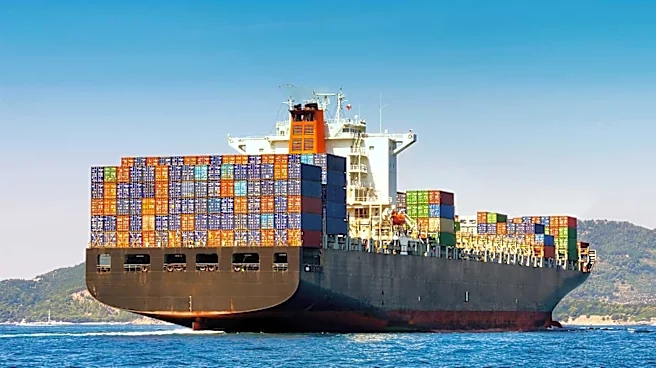
A proposed deal between Iran and Oman could grant Iran control over ships entering the Strait of Hormuz, a critical chokepoint for global oil transportation. While details of the agreement are still being negotiated, the potential for Iran to exert control over this
strategic waterway has already influenced oil prices, which saw a slight increase following an attack on a Saudi tanker in the Red Sea. The ongoing talks are reportedly progressing well, but the finalization of the deal remains uncertain.
Why It's Important?
The Strait of Hormuz is a vital passage for the global oil supply, with a significant portion of the world's oil passing through it. Granting Iran control over inbound traffic could alter the balance of power in the region, potentially affecting global oil markets and international relations. Such a shift could lead to increased tensions between Iran and other countries reliant on the strait for oil transportation, including the United States and its allies. The deal's outcome could have far-reaching implications for energy security and geopolitical stability.
What's Next?
As negotiations continue, stakeholders in the region and beyond will be closely monitoring the situation. The potential for increased Iranian influence in the Strait of Hormuz may prompt responses from other countries, including diplomatic efforts to counterbalance Iran's control. The international community may also seek to engage in dialogue to ensure the security and stability of this critical maritime route. The outcome of the deal will likely influence future diplomatic and economic strategies in the region.