






What's Happening?
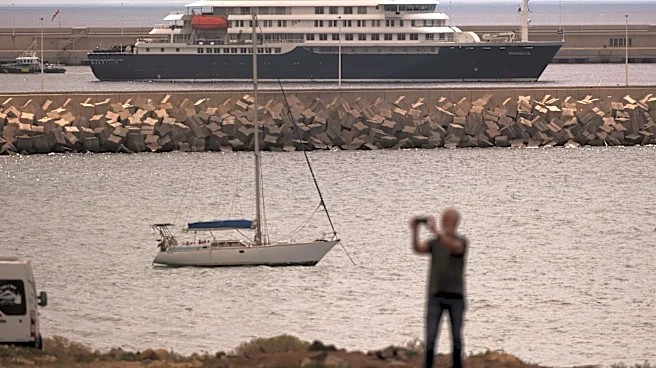
Six passengers from the MV Hondius cruise ship, which experienced a hantavirus outbreak, have arrived in Australia for a three-week quarantine. The passengers, five Australians and one New Zealand citizen, were transported from the Netherlands to a quarantine facility
in Western Australia. This facility was initially built in response to the COVID-19 pandemic but had remained largely unused. The outbreak on the ship, which was traveling from Argentina to the Antarctic and several isolated islands, resulted in three deaths among the 11 cases reported. The ship is now returning to the Netherlands for cleaning and disinfection. Australian Health Minister Mark Butler emphasized the stringent quarantine measures being implemented, while passengers returning to the U.S. and Britain will quarantine at home.
Why It's Important?
The hantavirus outbreak on the MV Hondius highlights the ongoing challenges of managing infectious diseases in a post-pandemic world. The use of a facility built during the COVID-19 pandemic underscores the lasting impact of that crisis on public health infrastructure. The situation also raises concerns about the safety of international travel and the protocols in place to prevent the spread of infectious diseases. The outbreak could influence future policies regarding quarantine measures and international travel, affecting the cruise industry and public health strategies globally.
What's Next?
The MV Hondius is set to return to the Netherlands for thorough cleaning and disinfection. Authorities will likely review and possibly revise quarantine protocols to prevent similar outbreaks in the future. The World Health Organization's guidelines on the incubation period for hantavirus may lead to extended quarantine measures. The incident may prompt other countries to reassess their quarantine facilities and readiness for infectious disease outbreaks, potentially leading to increased investment in public health infrastructure.