





What's Happening?
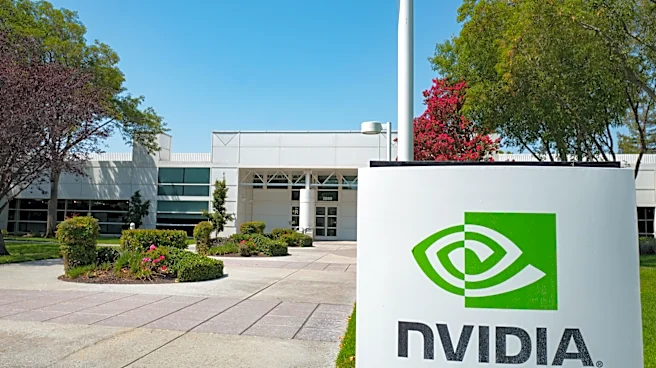
The technological rivalry between the United States and China has significantly escalated, particularly in the field of artificial intelligence (AI). This competition is centered on access to advanced computing power, with U.S. companies like Nvidia playing
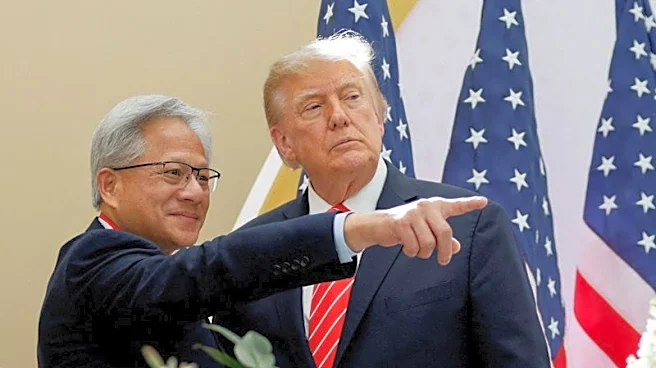
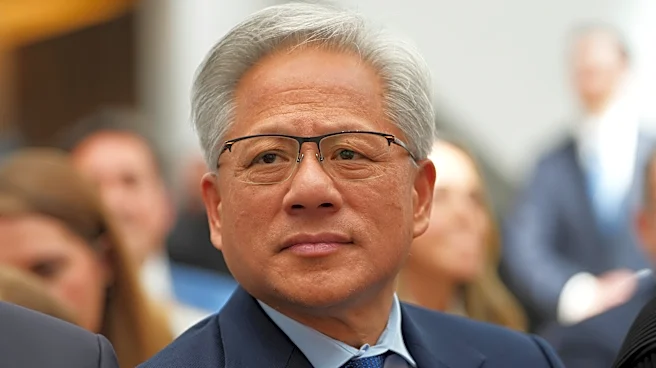
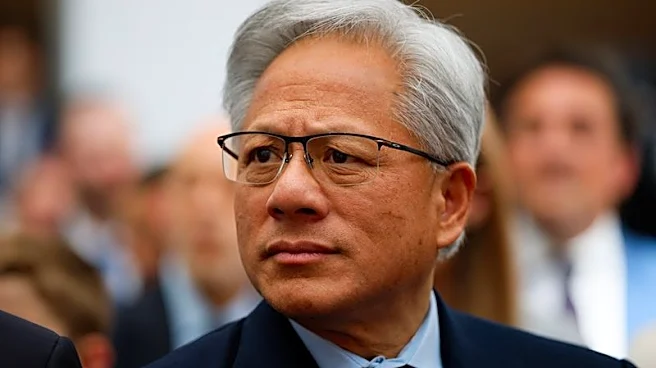
a crucial role due to their processors being essential for training and operating advanced AI models. Despite U.S. export controls aimed at restricting China's access to the most advanced AI chips, critics note gaps in enforcement. Chinese companies can reportedly access advanced computing power through overseas data centers or by illicitly obtaining restricted chips. Recent allegations involving a former executive linked to Nvidia CEO Jensen Huang and a network facilitating $7.5 billion worth of chip shipments to China have brought this rivalry into sharper focus. China's strategy involves not only acquiring American chips but also developing domestic alternatives to reduce dependence on foreign suppliers, with major tech companies like Alibaba, Tencent, Huawei, and Baidu investing heavily in domestic AI.
Why It's Important?
This intensifying AI competition carries significant implications for the U.S. economy, national security, and global technological leadership. The U.S. views AI as critical for maintaining military superiority and driving economic growth, with companies investing billions in data centers and AI infrastructure. Unrestricted access for China to advanced U.S. processors could grant a strategic advantage to a major geopolitical competitor, potentially narrowing the technological gap. Conversely, if China successfully develops competitive domestic alternatives, Washington risks losing influence over the global semiconductor industry. The financial stakes are enormous, with U.S. tech giants spending trillions on AI development. The controversy surrounding Nvidia highlights the challenges in enforcing export restrictions and the potential for financial market volatility, as evidenced by Nvidia's stock drop following the allegations. This dynamic also raises questions about the long-term returns on massive AI investments.
What's Next?
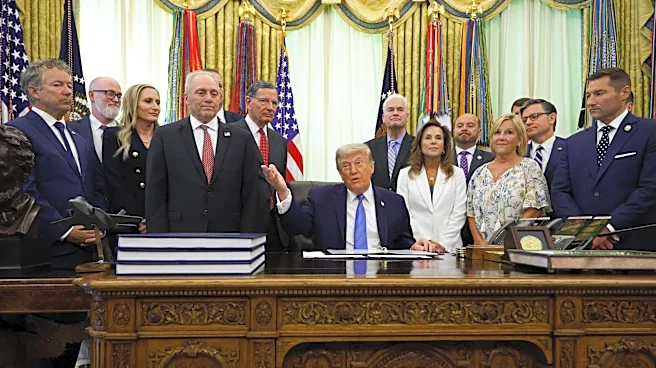
The U.S. Congress is expected to increase scrutiny on Nvidia and the enforcement of export controls, with calls for passing the annual defense bill that includes proposed restrictions on advanced chip sales to China. The U.S. government will likely continue efforts to prevent China from accessing advanced processors that could bolster its AI capabilities, potentially leading to stricter oversight and enforcement mechanisms. China, in turn, will likely accelerate its efforts to develop indigenous AI technologies and reduce reliance on foreign components, as demonstrated by its past responses to U.S. restrictions. Diplomatic efforts, such as the planned AI dialogue between the U.S. and China, aim to manage shared risks and prevent misunderstandings, though fundamental strategic challenges and competing visions for global AI governance persist. The outcome of these developments will significantly influence the future of the global AI industry and the balance of technological power.
Beyond the Headlines
The U.S.-China AI rivalry extends beyond economic and military competition, touching upon ethical, legal, and cultural dimensions. The debate over 'de-risking, not decoupling' highlights the complex challenge of balancing economic interdependence with national security concerns. The alleged espionage and illicit chip shipments underscore the vulnerabilities within global technology supply chains and the difficulties in controlling the movement of advanced technologies. China's state-led industrial strategy, with government support and integrated supply chains, contrasts with the U.S.'s market-driven approach, leading to different pathways for AI development and governance. This competition also raises questions about the future of open-source AI models versus closed, proprietary systems, and the potential for a fragmented global AI ecosystem. The long-term implications could include shifts in global technological leadership, new international norms for AI governance, and increased pressure on companies operating in both markets to navigate complex geopolitical landscapes.