



What's Happening?
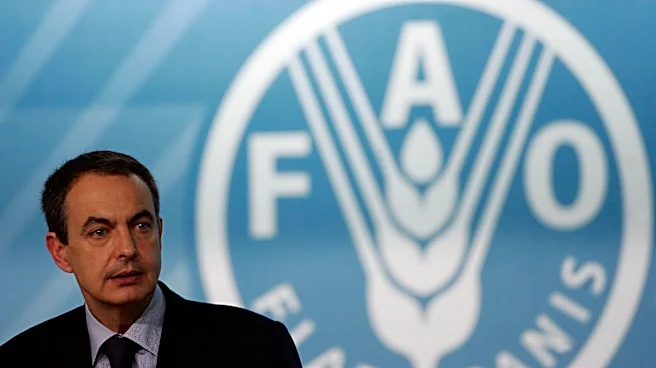
The Director-General of the Food and Agriculture Organization of the United Nations (FAO), QU Dongyu, addressed the Mediterranean Dialogues 2026 (MED-Dialogues), emphasizing the critical link between peace and food security. He stated that food security has become
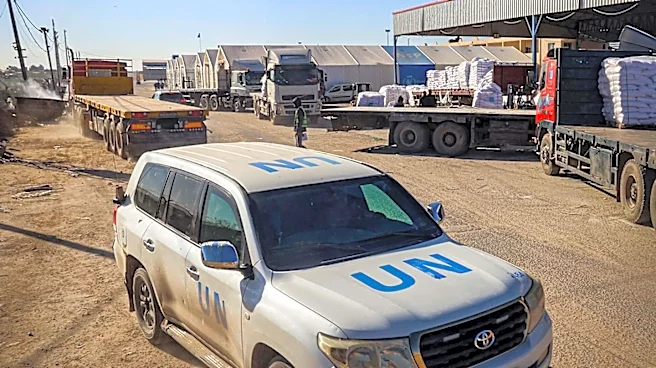
strategically important for diplomacy, economic stability, and international cooperation. Dongyu highlighted that diplomacy is essential for preventing and de-escalating food crises. The 2026 Global Report on Food Crises revealed that 266 million people across 47 countries and territories faced high levels of acute food insecurity in 2025, with famine confirmed in parts of Gaza and Sudan. Conflict is identified as a primary driver of acute hunger, destroying agricultural infrastructure, preventing farmers from accessing land, disrupting markets, and undermining communities' ability to produce food. These impacts can persist long after hostilities cease. Geopolitical shocks, such as recent disruptions to energy, fertilizer, and transport markets in the Gulf, further exacerbate food production and price issues in conflict-affected and economically fragile nations.
Why It's Important?
The FAO's call for stronger diplomatic action underscores the global recognition that food insecurity is not merely a humanitarian issue but a significant factor in international stability and economic well-being. The confirmation of famine in regions like Gaza and Sudan highlights the severe human cost of ongoing conflicts. For the U.S. and its allies, this situation presents challenges related to humanitarian aid, regional stability, and potential geopolitical ramifications. The disruption of global supply chains and markets due to conflicts, as seen with energy and fertilizer, can lead to increased food prices and economic instability worldwide, affecting U.S. consumers and businesses. The emphasis on 'food diplomacy' suggests a shift towards integrating food security into broader diplomatic strategies, potentially influencing U.S. foreign policy and aid initiatives aimed at conflict resolution and sustainable development.
What's Next?
The FAO Director-General outlined three priorities for integrating food security into diplomatic engagement. First, protecting food security must be an integral part of diplomatic efforts in conflict situations, adhering to international humanitarian law that prohibits starvation as a method of warfare. Second, diplomatic engagement needs to safeguard people's capacity to produce food by protecting agricultural production, infrastructure, and supply routes. Third, scientific evidence and early warning systems must be more directly connected to diplomatic and financing decisions to enable preventive engagement and mobilize resources effectively. This also requires enhanced cooperation on trade, agricultural inputs, and resilient supply chains. The FAO stands ready to offer its technical expertise and partnerships to support these diplomatic efforts, aiming to protect access to food, preserve production capacity, and reduce instability caused by food insecurity.
Beyond the Headlines
The concept of 'food diplomacy' extends beyond immediate aid, suggesting a long-term strategic approach to conflict prevention and resolution. It implies that addressing the root causes of food insecurity, such as agricultural infrastructure destruction and market disruptions, is crucial for lasting peace. The call for stronger international cooperation and the integration of scientific evidence into policy decisions highlight a move towards more data-driven and collaborative global governance. This approach could lead to new frameworks for international law and accountability regarding the weaponization of food and attacks on humanitarian workers. The recognition that food security is a basic human right elevates its status in international discourse, potentially influencing how nations, including the U.S., prioritize and fund humanitarian and development initiatives in conflict zones.