


What's Happening?
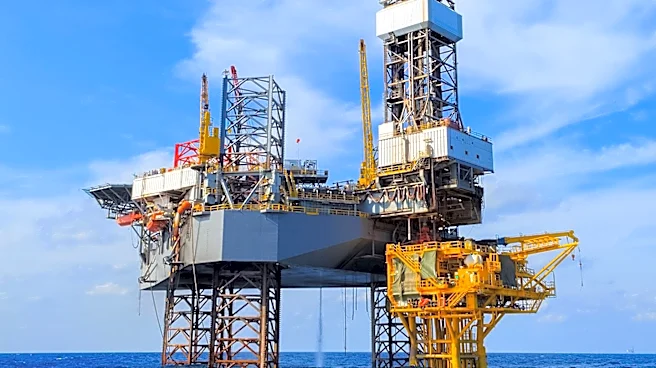
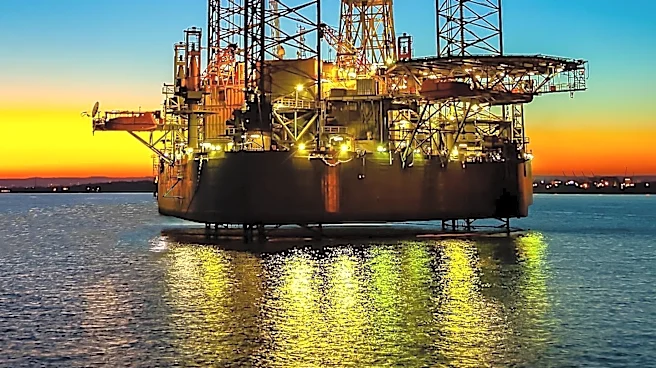
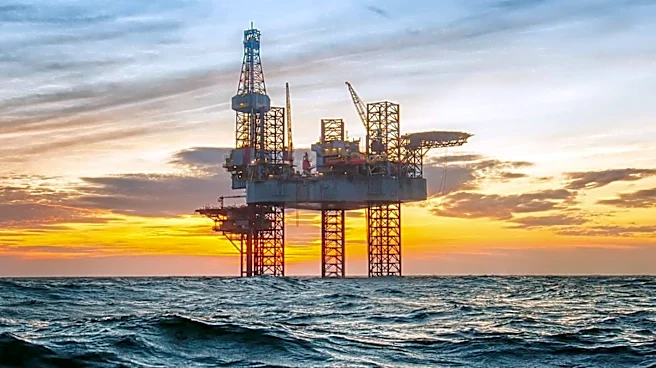
Nigeria is aiming to attract between $30 billion and $50 billion in offshore oil and gas investments by 2030 through 22 major deepwater projects. This initiative is part of Nigeria's efforts to revive its energy sector, which has faced challenges such
as declining output, oil theft, and policy uncertainty. The Nigerian Upstream Petroleum Regulatory Commission (NUPRC) has already approved over $57 billion in development plans since 2024. The projects are expected to boost crude production, create jobs, and enhance Nigeria's position in the global energy market. The government is also planning another licensing round to attract further investment.
Why It's Important?
This investment drive is crucial for Nigeria, Africa's largest crude producer, as it seeks to regain its competitive edge in the global energy market. The planned offshore developments are expected to significantly increase crude production, which is vital for Nigeria's economy. The initiative also aims to create jobs and improve infrastructure, contributing to the country's long-term energy security. As global competition for oil capital intensifies, Nigeria's efforts to improve its regulatory environment and attract investment are essential for maintaining its status as a leading oil producer.
What's Next?
The Nigerian government is preparing for another licensing round, which could attract strong interest from international investors. The success of this round will depend on the continued improvement of Nigeria's regulatory environment and the ability to address infrastructure challenges. The planned offshore projects are expected to play a central role in achieving Nigeria's production targets of 2 million barrels per day by 2027 and 3 million barrels per day by 2030. The outcome of these efforts will be closely watched by global energy stakeholders.