






What's Happening?
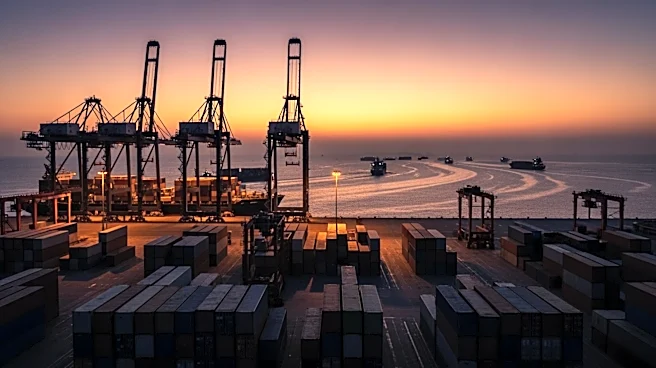
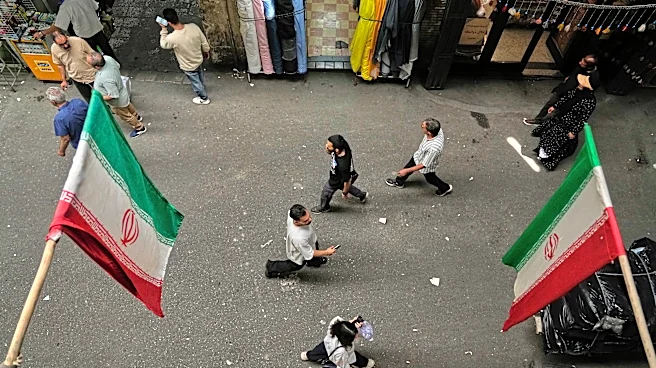
Iran's labor market is under significant strain due to widespread layoffs and soaring inflation. The minimum wage has fallen below $90, and the rial continues to lose value. Many factories have shut down due to shortages of raw materials, leading to increased
unemployment. The economic downturn has forced many Iranians to seek work in lower-barrier jobs, such as cleaning and catering, as traditional job opportunities diminish. The government has announced plans to issue loans to workers, but these measures are unlikely to prevent further layoffs or create sustainable employment.
Why It's Important?
The deterioration of Iran's labor market has profound implications for the country's social and economic stability. As more people lose their jobs and struggle to afford basic necessities, the risk of social unrest and political instability increases. The situation also highlights the challenges faced by countries under economic sanctions and the impact of global conflicts on domestic economies. The strain on Iran's labor market may lead to increased emigration and a brain drain, further weakening the country's economic prospects.
What's Next?
The Iranian government may need to implement more effective economic policies to stabilize the labor market and support affected workers. Internationally, the situation could prompt discussions on the impact of sanctions and the need for diplomatic solutions to address the underlying causes of the economic crisis. The ongoing challenges in Iran's labor market may also lead to increased calls for social and economic reforms within the country.