







What's Happening?
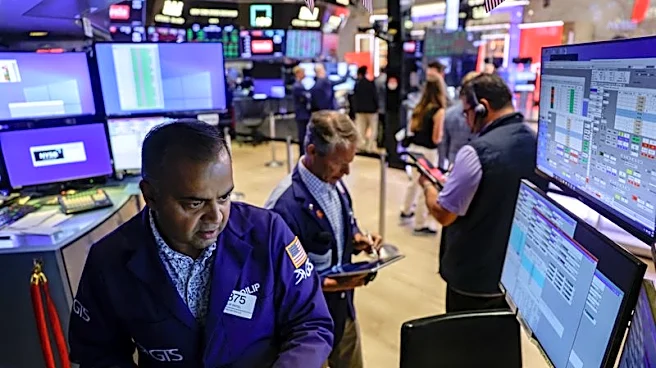
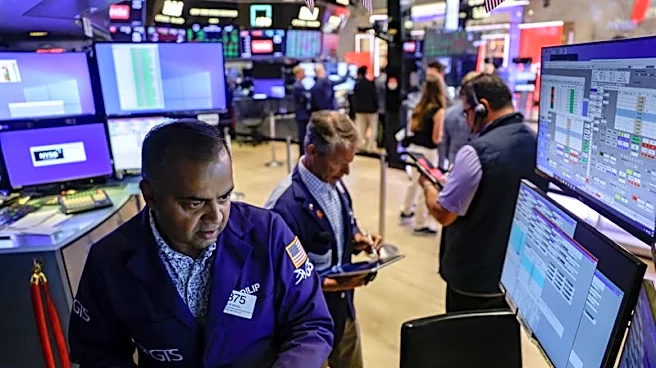
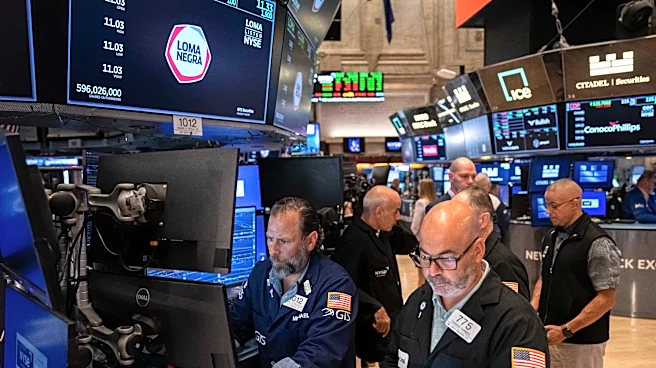
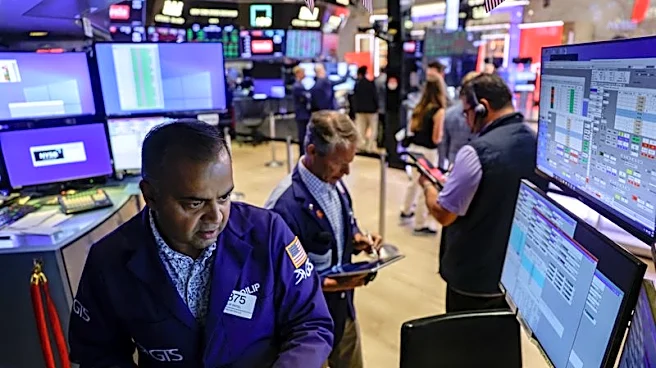
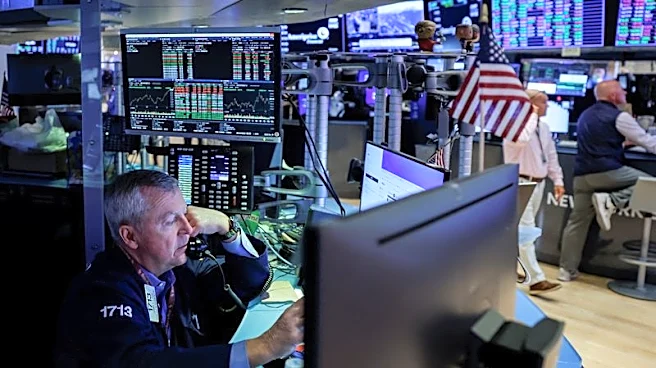
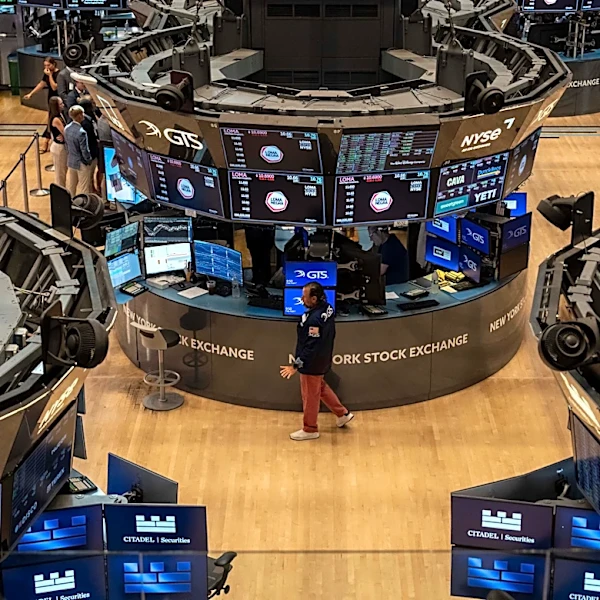
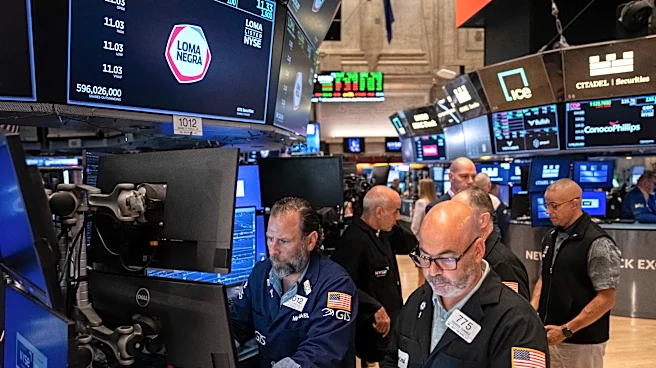
The U.S. stock market experienced a downturn, with the S&P 500, Nasdaq Composite, and Dow Jones Industrial Average all declining after initially hovering near the flatline. This market dip was primarily triggered by two significant economic reports indicating
a weakening U.S. consumer. Retail sales in July dropped by 0.6%, marking the first decline in nine months and the largest in 14, significantly missing economists' forecasts for a 0.1% gain. Core retail sales, which are a key component of GDP's consumer spending, also fell by 0.4% against expectations of a 0.3% increase. Concurrently, the University of Michigan's preliminary consumer sentiment index for August registered 51.0, falling short of the 54.5 consensus and lower than July's 55.2. Adding to concerns, one-year inflation expectations within this report ticked up to 4.3%. The technology sector, particularly chip stocks, bore the brunt of the market's decline, with Broadcom falling 5.6% and Applied Materials dropping 4%, acting as major drags on both the S&P 500 and Nasdaq. This confluence of weak consumer data and persistent inflation concerns created an uncomfortable scenario for market participants and policymakers.
Why It's Important?
The observed decline in U.S. retail sales and consumer sentiment carries substantial weight for the national economy, as consumer spending accounts for a significant portion of the Gross Domestic Product. A sustained weakening in consumer activity could lead to reduced corporate revenues, lower profit margins, and potentially a slowdown in hiring or even job losses across various sectors. This situation creates a challenging dilemma for the Federal Reserve, which is tasked with managing both inflation and economic growth. The combination of declining consumer confidence and rising inflation expectations, as indicated by the University of Michigan report, suggests a potential risk of stagflation—a scenario where economic growth stagnates while prices continue to climb. Such an environment could force the Fed to make difficult policy choices, potentially impacting interest rates and the availability of credit for businesses and consumers. Industries heavily reliant on discretionary spending, such as retail, hospitality, and automotive, stand to lose the most from this trend. Conversely, sectors that are more resilient to economic downturns or those that benefit from cost-cutting measures might be less affected. The market's reaction, particularly the significant drop in chip stocks, highlights investor sensitivity to economic indicators and their potential impact on corporate earnings.
What's Next?
In the immediate future, financial markets will closely monitor upcoming economic data releases, including subsequent retail sales figures, inflation reports, and employment statistics, to ascertain whether the current consumer slowdown is a temporary blip or the beginning of a more sustained trend. The Federal Reserve will undoubtedly scrutinize these indicators as it deliberates on its monetary policy, particularly regarding potential interest rate adjustments. A continued weakening of consumer demand coupled with persistent inflation could prompt the Fed to maintain a hawkish stance, potentially leading to further rate hikes, which could dampen economic activity even more. Businesses, especially those in consumer-facing sectors, may begin to revise their sales forecasts, inventory levels, and hiring plans in anticipation of reduced demand. Investors will likely adopt a more cautious approach, potentially shifting portfolios towards more defensive assets or sectors perceived as less sensitive to economic cycles. The performance of key technology stocks, which were significantly impacted, will also be watched closely as a bellwether for broader market sentiment. Policymakers may also consider fiscal measures if the economic slowdown deepens, though such actions often take time to implement and show effects.
Beyond the Headlines
The recent dip in consumer spending and sentiment, while immediately impacting market indices, also reveals deeper structural and behavioral shifts within the U.S. economy. The article notes that the timing of Amazon Prime Day in June likely pulled sales from July, illustrating how major e-commerce events can distort traditional monthly retail data and complicate economic analysis. This highlights the increasing influence of digital retail giants on overall economic metrics. Furthermore, the mention of "this spring's generous tax refunds were already spent" suggests that temporary fiscal boosts may not be sufficient to sustain consumer spending in the long run, pointing to underlying pressures on household budgets. The persistent inflation expectations, even as confidence wanes, could indicate that consumers are bracing for a prolonged period of higher prices, which could alter long-term spending and saving habits. This scenario could lead to a more frugal consumer base, prioritizing necessities over discretionary purchases, thereby reshaping the retail landscape. The Federal Reserve's challenge is not just to control inflation but also to manage these evolving consumer behaviors and expectations without triggering a severe recession, making its policy decisions increasingly complex and impactful on the daily lives of Americans.