






What's Happening?
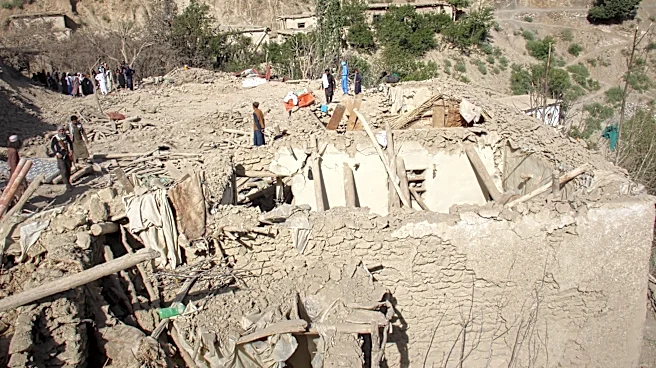
The International Committee of the Red Cross has raised concerns about the growing difficulty in identifying thousands of Palestinians buried under the rubble in Gaza. The slow pace of recovery efforts, exacerbated by the lack of heavy machinery, has left
many bodies unrecovered, increasing the risk of decomposition and making identification challenging. Forensic experts emphasize that time is a critical factor, as the longer bodies remain buried, the more they decompose, losing identifiable features. The situation is further complicated by the displacement of remains due to environmental factors and military activities. The Red Cross has called for the entry of necessary equipment into Gaza to expedite recovery efforts.
Why It's Important?
The inability to identify the deceased has significant implications for the families of the missing, who suffer from unresolved grief and psychological trauma. This 'ambiguous loss' can lead to depression and identity confusion among relatives. Additionally, the lack of identification prevents families from obtaining death certificates, which are necessary for legal and financial matters. The situation highlights the humanitarian challenges in conflict zones, where recovery and identification efforts are hindered by logistical and political barriers. The Red Cross's call for action underscores the need for international cooperation to address these humanitarian issues.
What's Next?
Efforts to recover and identify bodies in Gaza are expected to continue, with the Red Cross and other organizations advocating for the entry of heavy machinery to aid in the process. The ongoing dialogue with relevant authorities aims to facilitate the entry of necessary equipment. Meanwhile, the establishment of a cemetery in Deir al-Balah for unidentified bodies provides a temporary solution, with hopes that future identification will allow families to reclaim their loved ones. The situation remains a critical humanitarian concern, with potential implications for international relations and aid efforts in the region.