









What's Happening?
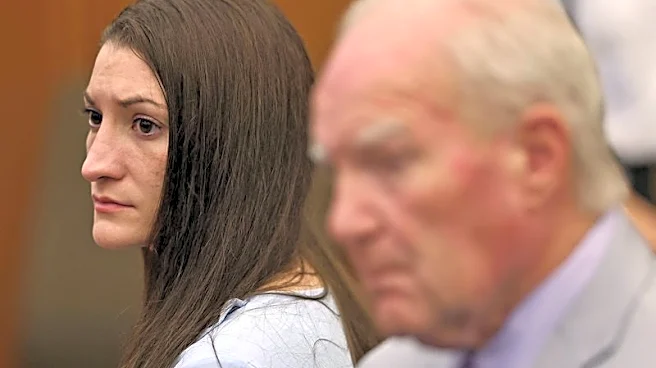
Ann Coulter has offered her perspective on the Lindsay Clancy trial, suggesting that the case has effectively ended discussions about a woman becoming president. Coulter characterizes Clancy as a 'feminist hero' for allegedly killing her three children,
Cora, Dawson, and Callan. She highlights the support Clancy has received from female admirers who are demanding her acquittal, often seen protesting outside the courthouse in pink T-shirts. Coulter criticizes what she perceives as a double standard in how society addresses mental health issues in women compared to other groups. She draws a parallel to cases where men commit similar crimes, noting that they do not receive the same level of public sympathy or calls for acquittal based on mental health defenses. Coulter specifically mentions the case of John List, who murdered his family after losing his job, and contrasts the public reaction to his actions with the support shown for Clancy. She argues that while women's violent acts are often attributed to hormones or 'postpartum depression,' men's are linked to 'toxic masculinity.'
Why It's Important?
Ann Coulter's commentary on the Lindsay Clancy trial is significant because it injects a highly politicized and controversial viewpoint into an already sensitive legal case. Her assertion that the trial impacts the prospect of a female president could influence public discourse on women in leadership roles, particularly concerning their emotional and mental stability. This perspective challenges prevailing narratives about gender equality and mental health awareness, potentially fueling debates about the criteria for public office and societal perceptions of female competence under pressure. The comparison to male perpetrators of similar crimes highlights a perceived double standard in how mental health defenses are applied and received by the public, which could lead to broader discussions about fairness and equity within the justice system. Furthermore, Coulter's remarks could polarize public opinion, reinforcing existing divisions on gender roles, mental health stigma, and political leadership, thereby impacting how future discussions around these topics are framed.
What's Next?
The ongoing Lindsay Clancy trial will continue to be a focal point for public discussion, especially with commentators like Ann Coulter drawing broader societal and political implications from it. The legal proceedings will determine Clancy's fate, and the verdict, regardless of the outcome, is likely to reignite debates about mental health defenses, maternal infanticide, and the role of public sympathy in high-profile cases. Political and social commentators may further engage with Coulter's arguments, either supporting or refuting her claims about the impact on female presidential candidacies. This could lead to increased scrutiny of how mental health issues, particularly postpartum conditions, are understood and addressed within the legal system and public sphere. Advocacy groups for mental health and women's rights may also respond to these discussions, potentially pushing for reforms in how such cases are handled and how mental health is perceived in the context of criminal responsibility.
Beyond the Headlines
Ann Coulter's commentary delves into deeper societal implications, particularly the intersection of gender, mental health, and criminal justice. Her argument that the Clancy trial could end discussions about a female president touches upon long-standing biases and stereotypes regarding women's emotional capacity and fitness for leadership. This perspective, while controversial, highlights an underlying societal anxiety about female leadership, especially when confronted with extreme cases of mental distress. The perceived double standard in public reaction to male versus female perpetrators of violence also raises ethical questions about empathy, accountability, and the influence of gendered narratives in shaping public opinion and legal outcomes. This case, as framed by Coulter, could inadvertently spark a more profound examination of how society attributes blame and understanding in cases of severe mental illness, and whether gender plays an undue role in these assessments, potentially influencing future policy discussions on mental health support and legal defenses.