
What's Happening?
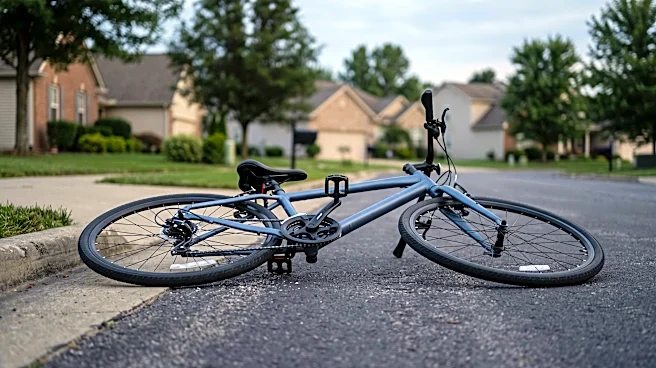
A man was flown to a Level 1 trauma center after sustaining a potentially serious head injury in a bicycle accident in Cary, Illinois. The incident occurred around 5:54 p.m. on Friday in the 100 block
of Detroit Street, near Swiss Automation. According to Cary Fire Protection District Public Information Officer Alex Vucha, the adult male fell from his bicycle and lost consciousness. Paramedics on the scene determined the severity of the head injury warranted the request for a medical helicopter. A LifeNet medical helicopter responded to the helipad at Mercyhealth Hospital and Physician Clinic in Crystal Lake, where the man was transferred to the flight crew for transport to the trauma center. Details regarding the man's current condition and the exact circumstances of the accident have not been released.
Why It's Important?
This incident highlights the critical need for safety measures and immediate medical response in cases of head trauma, particularly in recreational activities like bicycling. Head injuries can have profound and long-lasting impacts on an individual's health, cognitive function, and overall quality of life, often requiring extensive and specialized medical care. The rapid deployment of a medical helicopter to a Level 1 trauma center underscores the urgency and the advanced medical protocols in place for such severe injuries. For the community, it serves as a reminder of the importance of wearing helmets and exercising caution while cycling, especially in areas with potential hazards. The incident also places a temporary strain on local emergency services and hospital resources, emphasizing the continuous demand for robust healthcare infrastructure.
What's Next?
The man will continue to receive treatment at the Level 1 trauma center, where medical professionals will assess the full extent of his head injury and determine the necessary course of action for his recovery. Further details about his condition and the accident itself may be released as the investigation progresses. Local authorities might review the circumstances of the accident to identify any contributing factors, which could potentially lead to recommendations for improved safety measures in the area. The incident could also prompt public safety campaigns by local organizations to raise awareness about bicycle safety and the importance of protective gear to prevent similar occurrences in the future.
Beyond the Headlines
Beyond the immediate medical care, a severe head injury can initiate a complex and challenging journey for the patient and their family, involving rehabilitation, potential long-term care, and significant financial burdens. The incident also subtly underscores the interconnectedness of emergency services, from local fire departments and paramedics to specialized air medical transport and trauma centers, all working in concert to provide critical care. It may also spark discussions within the community about urban planning and infrastructure, particularly regarding bicycle lanes and road safety for cyclists, to mitigate risks and enhance the safety of active transportation. The psychological impact on witnesses and first responders, though often overlooked, is also a significant aspect of such traumatic events.