





What's Happening?
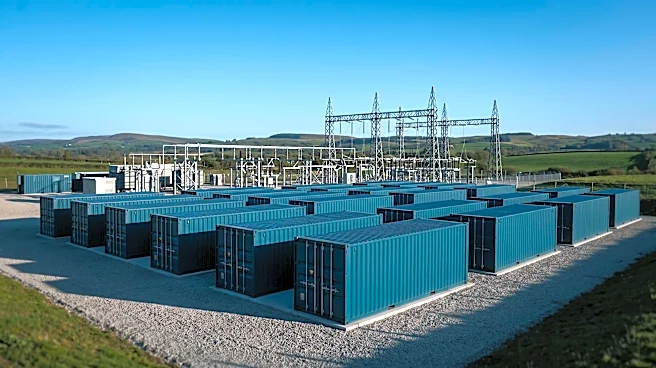
Richardson Electronics announced an expansion of its commercial-scale battery storage production at its La Fox, Illinois factory. This initiative aims to bolster Illinois' clean energy objectives and enhance the reliability of its electrical grid. The
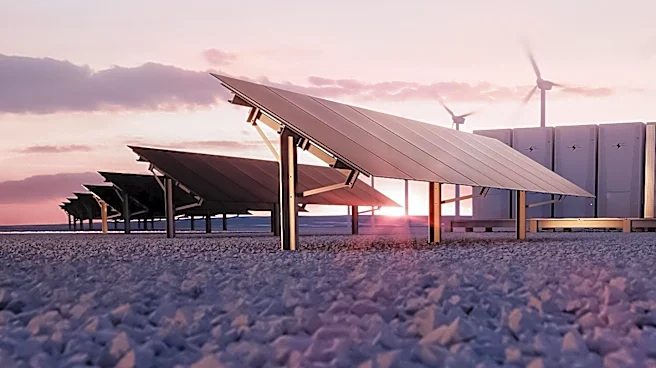
company plans to build its largest battery to date at this site next summer, capable of storing 5 megawatts of power and costing approximately $3 million. This expansion is critical as Illinois faces potential service interruptions and increasing electricity prices, with regional grids like PJM Interconnection and MISO indicating future reliability challenges. The state's clean energy goals, which include achieving non-carbon electricity generation by 2050, necessitate a significant increase in battery storage capacity to support intermittent renewable sources like wind and solar.
Why It's Important?
This expansion is crucial for Illinois' energy future, directly addressing the state's ambitious clean energy targets and the pressing issue of grid reliability. By increasing local production of utility-scale batteries, Illinois can reduce its dependence on out-of-state electricity imports, which are often generated by fossil fuel plants. This move is expected to stabilize electricity prices for consumers, particularly in downstate areas served by MISO, where prices have seen a 51% increase in five years. The integration of more battery storage will make solar and wind power more reliable, allowing energy generated during peak production times to be stored and dispatched when needed, thereby maximizing the effectiveness of renewable investments and mitigating potential service interruptions.
What's Next?
Richardson Electronics' new 5-megawatt battery is slated for production next summer, marking a significant step towards increasing Illinois' energy storage capacity. The state's Integrated Resource Plan, with a draft due on November 16, will outline strategies for electricity generation, procurement, and transmission, potentially including further incentives for battery storage. This plan will also address the regulation of electricity and water use at data centers, which are significant energy consumers. The ongoing debate surrounding the Integrated Resource Plan will shape future energy policies and investments in Illinois, influencing the pace of renewable energy adoption and grid modernization. Stakeholders will closely monitor the plan's recommendations and their implementation to ensure the state meets its clean energy and reliability goals.
Beyond the Headlines
The expansion of battery storage production in Illinois highlights a critical national challenge: balancing rapid decarbonization with grid stability and economic viability. The substantial tax incentives, including a 40% federal tax credit for batteries made in former coal-reliant areas and various state subsidies, underscore the government's role in de-risking and accelerating green technology adoption. This situation also brings to light the complex interplay between state-level clean air regulations and regional grid operations, as Illinois' inability to build new natural gas plants forces it to rely on imports from other states, potentially shifting environmental burdens. The focus on microgrids and customized storage solutions by companies like Richardson Electronics suggests a decentralized approach to energy management, which could enhance resilience against large-scale grid failures and empower local communities with greater energy independence.