









What's Happening?
The recent implementation of federal loan caps for graduate students is causing significant concern among students and educational institutions. Effective July 1, the new rules limit borrowing to $20,500 annually, with a total cap of $100,000 for most
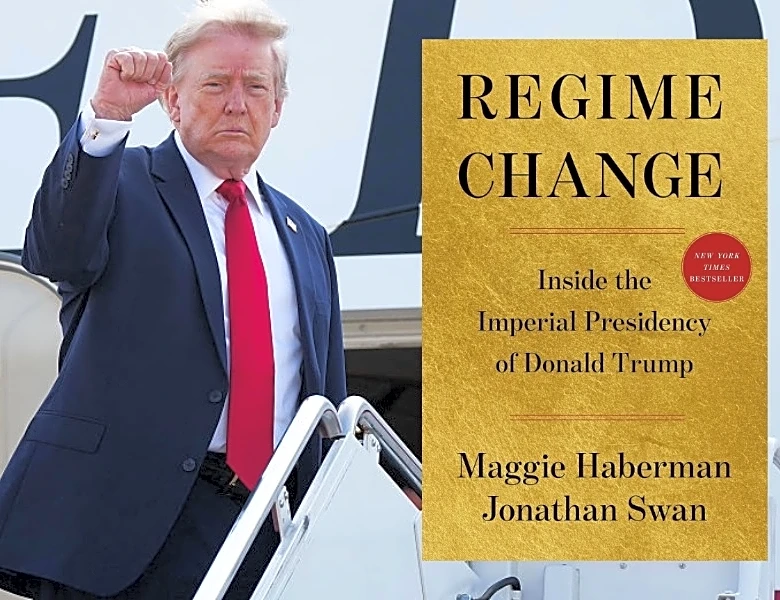
graduate programs. Professional degrees such as law, medicine, and dentistry have a higher cap of $50,000 annually and $200,000 in total. Previously, students could borrow unlimited amounts to cover tuition and living expenses, often resulting in substantial debt. The Trump administration introduced these caps as part of a broader overhaul of federal student loan programs, aiming to curb rising tuition costs and reduce the national student debt crisis. However, the changes are prompting fears that they will restrict access to higher education, particularly for lower-income students who may struggle to secure private loans.
Why It's Important?
The new loan caps could have far-reaching implications for the U.S. education system and socioeconomic mobility. By limiting federal borrowing, the policy may disproportionately affect students from lower-income backgrounds, potentially widening the gap in educational attainment and income inequality. Graduate degrees often lead to higher earning potential, and restricting access could limit career opportunities for many. Additionally, universities may face financial challenges as they adjust to the new funding landscape, potentially leading to program cuts or increased reliance on private funding. The policy could also influence the labor market, particularly in fields like healthcare, where advanced degrees are essential.
What's Next?
Educational institutions are exploring various strategies to mitigate the impact of the loan caps. Some universities, like UC Irvine, have already reduced tuition for certain programs. Others are seeking legislative changes to address the financial barriers posed by the new rules. The ongoing debate over which fields qualify for higher loan limits, such as nursing and physical therapy, remains unresolved and could lead to further legal challenges. As the situation evolves, students and universities will need to adapt to the changing financial landscape, potentially reshaping the future of graduate education in the U.S.