




What's Happening?
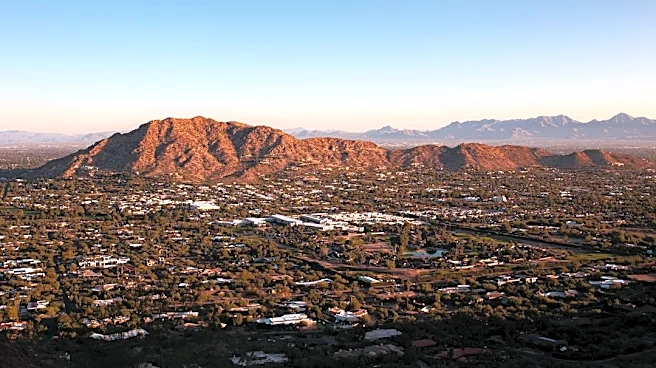
Rogério Renato Mateucci, the rector of the Pontifical Catholic University of Paraná, died on Friday afternoon in Scottsdale, Arizona, during a walking tour of Frank Lloyd Wright’s historic Taliesin West home. According to the Scottsdale Fire Department,
Mateucci was struck by roofing material that was dislodged by strong winds. He was with a group on the walking tour when the incident occurred. Fire officials reported that Mateucci died instantly and was pronounced dead at the scene. Police are investigating the death as a weather-related accident, with no foul play suspected. The National Weather Service recorded east winds of 22 mph with gusts up to 32 mph in Scottsdale around the time of the accident. Taliesin West, a National Historic Landmark and home to the Frank Lloyd Wright Foundation, was closed to the public indefinitely following the incident. The university announced the cancellation of classes and administrative office closures to mourn their highest-ranking official.
Why It's Important?
This tragic incident highlights the unforeseen dangers that can arise even in seemingly safe environments, particularly at historic landmarks open to the public. The death of a prominent university official, Rogério Renato Mateucci, underscores the importance of stringent safety protocols and weather monitoring at tourist attractions. For institutions like the Frank Lloyd Wright Foundation, this event could prompt a review of their safety measures, especially concerning structural integrity and visitor protection during adverse weather conditions. The closure of Taliesin West, a significant cultural and architectural site, impacts tourism and educational programs, potentially leading to financial losses and disruption for visitors and staff. Furthermore, the incident serves as a somber reminder for tour operators and participants about the need to be aware of environmental risks and to prioritize safety during outdoor activities, even in established and well-maintained locations.
What's Next?
Following the death of Rogério Renato Mateucci, police will continue their investigation into the weather-related accident at Taliesin West. The Frank Lloyd Wright Foundation has closed the historic site to the public until further notice, indicating a period of assessment and potential safety enhancements. It is likely that the foundation will conduct a thorough review of the incident, examining structural vulnerabilities and emergency procedures to prevent similar tragedies. This could lead to updated safety guidelines for visitors and staff, particularly regarding operations during high winds or other inclement weather. The Pontifical Catholic University of Paraná will proceed with mourning arrangements for their rector, and the academic community will likely reflect on the sudden loss of a key leader. Future operations at Taliesin West will depend on the outcome of the investigation and any subsequent safety modifications implemented by the foundation.
Beyond the Headlines
The incident at Taliesin West raises broader questions about the balance between preserving historical structures and ensuring public safety, especially as climate patterns become more unpredictable. Historic buildings, while culturally invaluable, may present unique challenges in terms of maintenance and resilience against extreme weather. This event could spark a wider discussion among heritage organizations and public attractions about the need for proactive risk assessments and adaptive strategies to protect both visitors and historical integrity. The emotional impact on the tour group and the staff at Taliesin West, who witnessed or were involved in the aftermath of the accident, also points to the psychological toll such unforeseen events can take. It underscores the often-overlooked human element in managing public spaces, where the unexpected can have profound and lasting consequences beyond the immediate physical damage.