



What's Happening?
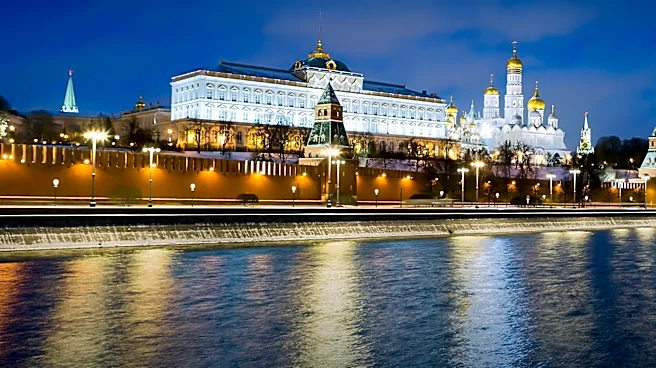
The Kremlin is grappling with the decision of whether to undertake a mass mobilization to bolster its military numbers in the ongoing conflict with Ukraine. While warnings of Russian escalation, both in Ukraine and through covert campaigns in Europe,
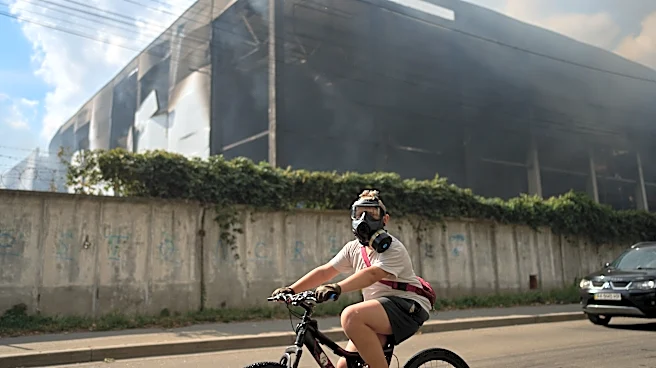
have intensified, President Putin has denied reports of imminent mass mobilization, dismissing them as 'a dog’s nonsense' and 'an information attack on Russia.' Historically, Russia has avoided mass mobilization due to concerns about public discontent, opting instead for quieter recruitment methods such as drawing from prisons, rural poor, ethnic minorities, and foreign nationals. However, the need for manpower to replace significant casualties and plan for future conflicts persists. The war's impact, including Ukrainian strikes on Russian oil refineries leading to petrol shortages, has already begun to stir public dissatisfaction, making a mass mobilization a politically sensitive move.
Why It's Important?
The potential for a mass mobilization in Russia is a critical development with far-reaching implications for the conflict in Ukraine and Russia's domestic stability. Such a move would signal a significant escalation of the war, indicating Russia's commitment to a prolonged and intensified conflict. Economically, a mass mobilization could further strain Russia's workforce and resources, potentially exacerbating existing economic challenges and leading to increased public discontent. Socially, it risks widespread public dissatisfaction, as previous 'partial mobilization' efforts led to a mass exodus of Russians. While the Kremlin possesses significant repressive capacity to manage dissent, a surge in public opposition could undermine the narrative of widespread support for the war and challenge the government's legitimacy. This decision will directly impact the scale and duration of the conflict, as well as Russia's internal political landscape.
What's Next?
Despite President Putin's denials, speculation persists that Russia may undertake a more overt or stealthy mobilization, potentially after upcoming elections to minimize immediate public backlash. The Kremlin is expected to continue its current strategy of quietly squeezing categories of citizens exempt from call-up and making it harder to leave the country to avoid military service. However, if the need for manpower becomes critical, a more formal mobilization could be implemented. This would likely lead to increased public unrest and further emigration from Russia. International reactions would likely include stronger condemnation and potentially additional sanctions from Western nations. The ongoing conflict in Ukraine, coupled with Russia's long-term strategic goals beyond Ukraine, will continue to drive the Kremlin's decisions regarding military recruitment and force generation.
Beyond the Headlines
The Kremlin's dilemma over mass mobilization highlights a deeper tension within Russia between military objectives and domestic political stability. The reliance on 'disposable' recruits and foreign nationals, coupled with efforts to suppress dissent, reveals the regime's attempts to insulate the general population from the direct costs of the war. However, the increasing impact of the conflict on Russian daily life, such as petrol shortages, suggests that this insulation is eroding. A mass mobilization, if enacted, could fundamentally alter the social contract between the state and its citizens, potentially leading to long-term shifts in public sentiment and political engagement. This situation also underscores the ethical implications of a state's willingness to sacrifice its citizens for geopolitical ambitions, and the potential for such actions to foster deep-seated resentment and instability within the country.