





What's Happening?
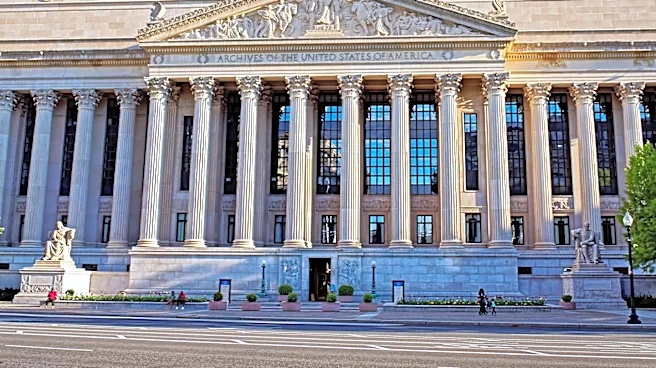
Representative Kevin Mullin, D-California, introduced the National Archives Protection Act on August 20, aiming to prohibit the closure of National Archives locations. This legislative action comes as three National Archives facilities in Chicago, Seattle,
and San Francisco are slated for closure, with the Chicago site expected to close by the end of September. These closures have sparked significant concern, particularly among tribal nations and historians, due to a reported lack of tribal consultation and transparency from the National Archives and Records Administration (NARA). Hundreds of thousands of Bureau of Indian Affairs records, some spanning nearly two centuries, are housed in these facilities. Tribal leaders and preservation officers, such as Michael LaRonge of the Sokagaon Band of Chippewa Indians, have stated they were not consulted, which they view as a violation of the nation-to-nation relationship between the federal government and tribes. The reasons for the closures remain unclear, though some speculate it may be a cost-saving measure. The bill has not yet been voted on.
Why It's Important?
The potential closure of these National Archives locations poses a significant threat to the accessibility and preservation of invaluable historical documents, particularly those pertaining to Native American tribes. These records are crucial for tribal enrollment, documentation of Indian trust funds, and understanding the Federal Indian Boarding School era, containing maps, photos, court records, and Indigenous language materials. The lack of tribal consultation in this decision-making process is a critical issue, as it undermines the federal government's trust responsibility to tribes and their right to self-governance. The closures could lead to a two-to-three-year period of inaccessibility for these documents, creating substantial barriers for tribal leaders, historians, and the public seeking to research their heritage and legal rights. Furthermore, the proposed relocation of records to facilities like the Kansas City National Archives would impose significant travel and copying costs on tribal members, effectively limiting access for many.
What's Next?
The National Archives Protection Act, sponsored by Rep. Kevin Mullin, awaits a vote in Congress. Its passage would prevent the planned closures and address the concerns raised by tribal nations and historians. In the interim, tribal governments and coalitions, such as the Michigan Anishinaabek Cultural Preservation and Repatriation Alliance, continue to press NARA for transparency and consultation regarding the closures. Legal challenges, similar to the lawsuit launched by Washington's 29 federally recognized tribes and the state against NARA in 2021 which temporarily halted the Seattle closure, could also emerge. The fate of the hundreds of thousands of historical documents, particularly those vital to Native American heritage, remains uncertain as stakeholders await further action from Congress and NARA.
Beyond the Headlines
The controversy surrounding the National Archives closures highlights deeper issues concerning the federal government's commitment to preserving historical records and its adherence to tribal consultation protocols. The suggestion that these closures might be a cost-saving measure, rather than an ideological one, raises questions about the valuation of historical preservation against fiscal concerns. The potential loss of experienced staff at these facilities, who possess specialized knowledge in navigating complex collections, further exacerbates the problem, as their expertise is crucial for assisting tribal nations in their research. This situation underscores the ongoing struggle for Native American communities to maintain access to their history and cultural heritage, often facing systemic barriers that impede their ability to connect with their past and assert their rights. The outcome of this situation could set a precedent for how federal agencies manage historical assets and engage with sovereign tribal nations in the future.