


What's Happening?
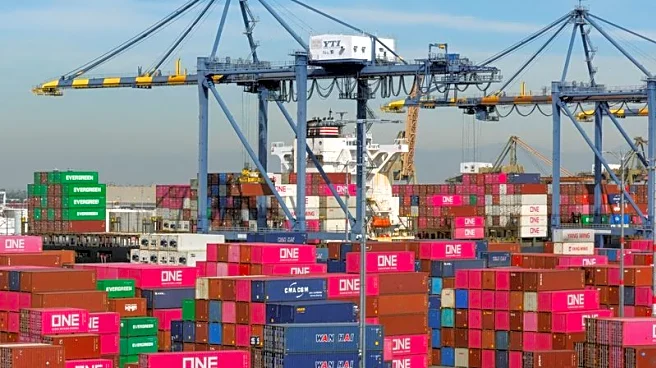
The Chief Economist of the Food and Agriculture Organization (FAO), Máximo Torero, has issued a warning regarding the severe global food security risks stemming from disruptions in the Strait of Hormuz trade corridor. This disruption has led to a significant
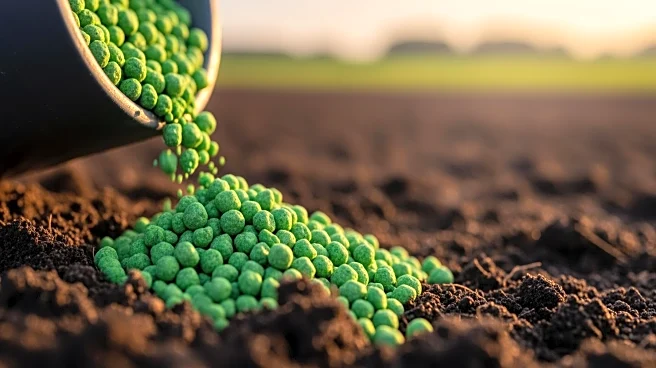
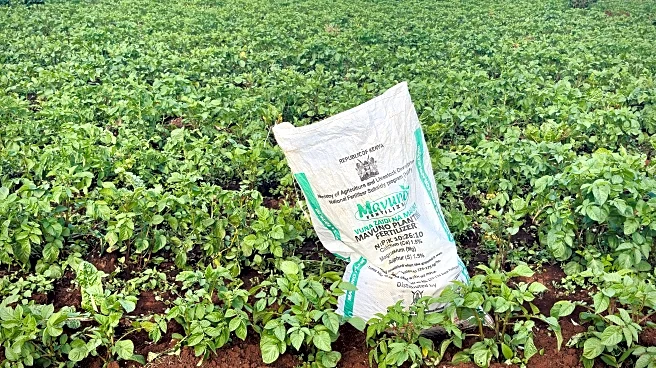
decline in tanker traffic, affecting the flow of crucial commodities such as oil, liquefied natural gas, and fertilizers. The Gulf region, a major player in the global sulfur trade, is experiencing a supply chain fracture that could impact phosphate fertilizer production worldwide. The situation is exacerbated by rising insurance costs, with war-risk premiums increasing significantly. The FAO projects that if the crisis persists, global fertilizer prices could rise by 15 to 20 percent in the first half of 2026, leading to increased costs for farmers and potential reductions in crop yields.
Why It's Important?
The disruption in the Strait of Hormuz poses a significant threat to global food security and agricultural production. As fertilizer prices rise, farmers face increased costs, which could lead to reduced fertilizer application and lower crop yields. This situation is particularly concerning for countries heavily reliant on fertilizer imports, such as Egypt and India, and could lead to food insecurity in vulnerable regions like Sub-Saharan Africa. The crisis also highlights the interconnectedness of global supply chains and the potential for localized disruptions to have widespread impacts. The FAO's call for coordinated international action underscores the need for alternative trade routes and diversified fertilizer sources to mitigate these risks.
What's Next?
The duration of the disruption will be crucial in determining its long-term impact. A short-term disruption may see markets stabilize within a few months, but a prolonged crisis could affect global planting decisions and lead to reduced yields for key crops. The FAO recommends urgent international cooperation to establish alternative trade corridors and provide financial support to affected countries. In the medium term, diversifying fertilizer sources and strengthening regional reserves are essential steps. Long-term strategies include investing in sustainable agriculture and alternative fertilizer technologies to enhance resilience against future disruptions.