




What's Happening?
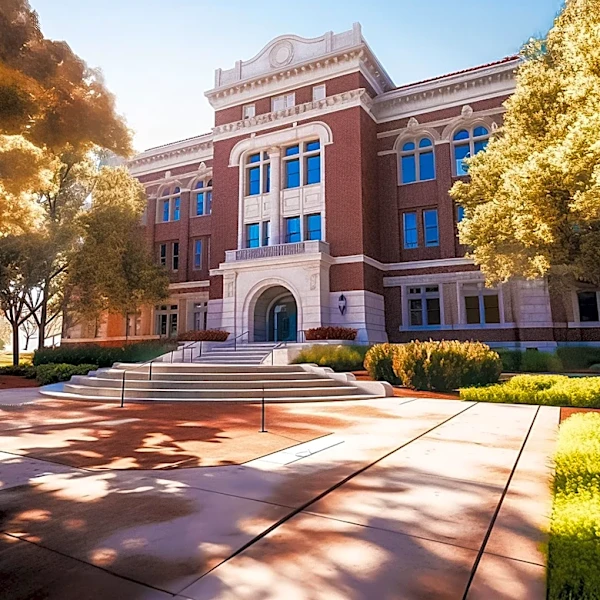
The University of Utah has dismissed disciplinary cases against Rylie Barnes, Vice President of the U of U College Republicans, and Riley Beesley, Chairman of the U College Republicans. Both students were accused of 'doxxing' another student who brought
a 'Happy Kirkiversary' cake to campus. Barnes confirmed the dismissal, stating that Associate Vice President Dean of Students Jason Ramirez found no grounds to charge her with any university policy violation and assured no marks would be placed on her record. The university confirmed the dismissal of the 'accountability' inquiry, noting they released the information only after the students made it public. The incident began on September 10 when Barnes posted a photo of the student with the cake, which referenced the one-year mark since the assassination of Turning Point USA founder Charlie Kirk. While the student later apologized and the Utah College Republicans accepted it, the controversy led to online attacks and death threats against both sides, raising concerns about doxxing.
Why It's Important?
This case highlights the ongoing tension between freedom of speech and the responsibility to protect individuals from online harassment and doxxing within university settings. The university's decision to dismiss the case, despite the initial accusations and subsequent online backlash, underscores the complexities faced by educational institutions in adjudicating such matters. It also brings to the forefront the challenges of defining and enforcing boundaries between protected speech and actionable misconduct, especially in the digital age where information can spread rapidly and have severe consequences. The incident sparked discussions about the impact of online actions, the potential for misinterpretation, and the role of universities in fostering a safe yet open environment for expression. The university's subsequent review of its procedures and staff training indicates an acknowledgment of the need to refine its approach to these sensitive issues.
What's Next?
The University of Utah's dean's office plans to conduct a routine review of its procedures and staff training. This review aims to ensure that all office staff have a clear understanding of the boundaries between freedom of speech and actionable misconduct, as well as the proper process for investigations and communication timing. This internal review suggests a proactive step by the university to prevent similar situations and improve its handling of future incidents involving student conduct and free expression. The outcome of this review could lead to revised policies or clearer guidelines for students and staff regarding online interactions and the reporting of doxxing or harassment. It also signals a potential shift in how the university balances its commitment to free expression with its responsibility for student safety and well-being.
Beyond the Headlines
The incident at the University of Utah reflects a broader societal debate about online conduct, free speech, and accountability, particularly within academic environments. The concept of 'doxxing' and its implications for personal safety and privacy are increasingly relevant in an interconnected world. This case also touches upon the political polarization present on college campuses, where expressions of differing viewpoints can quickly escalate into contentious situations. The university's apology for the 'inconvenience and emotional turmoil' caused to the students involved suggests an awareness of the psychological impact such investigations can have, even when charges are ultimately dropped. This situation may prompt other universities to re-evaluate their own policies and training regarding online harassment, free speech, and the disciplinary processes for student conduct, aiming to create clearer frameworks that protect both expression and individual safety.