






What's Happening?
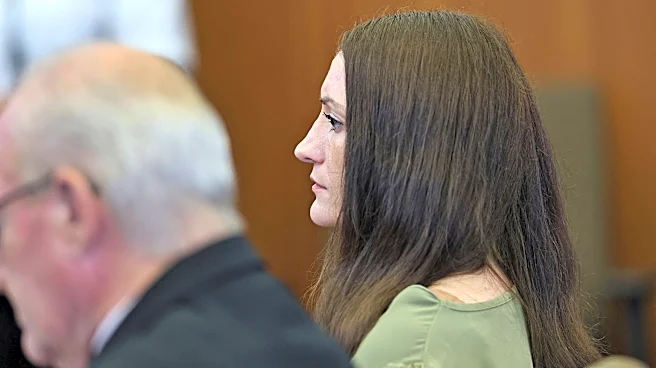
Felix Cordoba, a tax preparer from East Elmhurst, Queens, has been convicted on 14 counts of preparing false tax returns and wire fraud. The verdict was delivered after a three-day trial before United States District Judge Carol Bagley Amon. Cordoba's
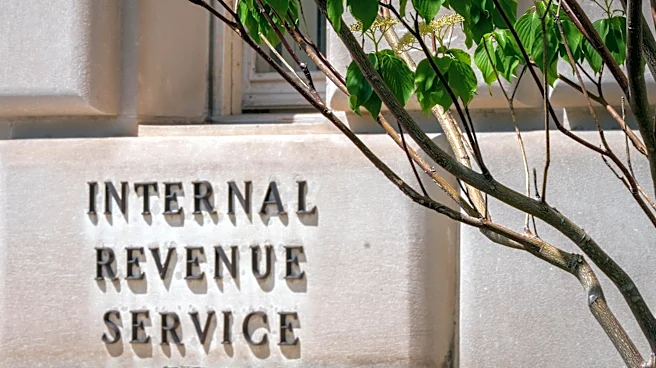
fraudulent activities involved creating fictitious children, solar expenses, and business expenses on clients' tax returns, leading to unjustified refunds from the Internal Revenue Service (IRS). According to United States Attorney Joseph Nocella Jr., Cordoba transformed his tax preparer office into a "fraud machine," systematically adding false information to client returns. Special Agent in Charge Harry T. Chavis Jr. of IRS Criminal Investigation, New York Field Office, emphasized the agency's commitment to prosecuting those who exploit the tax system. The government anticipates proving at sentencing that Cordoba's conduct resulted in thousands of false returns and a loss exceeding $24 million to the IRS.
Why It's Important?
This conviction underscores the IRS's ongoing efforts to combat tax fraud and protect the integrity of the U.S. tax system. The substantial financial loss of over $24 million highlights the significant impact that fraudulent tax preparation schemes can have on government revenue, which ultimately affects public services and economic stability. For taxpayers, this case serves as a critical reminder of the importance of due diligence when selecting a tax preparer. Individuals who unknowingly submit fraudulent returns prepared by others can face their own legal and financial repercussions, even if they were not directly involved in the deception. The prosecution of individuals like Cordoba aims to deter similar criminal activities, reinforcing public trust in the fairness and enforcement of tax laws. This case also demonstrates the investigative capabilities of IRS Criminal Investigation (IRS-CI) in uncovering complex financial crimes.
What's Next?
Felix Cordoba faces a potential sentence of up to 20 years in prison, along with significant financial penalties. The sentencing will further detail the full extent of the financial losses incurred by the IRS due to his actions. The government's case, handled by Assistant United States Attorneys William Bristow and Andrew Stamboulidis, will continue to seek accountability for the defrauded funds. This conviction is expected to send a strong message to other potential tax fraudsters and preparers who might consider engaging in similar illicit activities. The IRS-CI will likely continue its focus on criminal tax enforcement, utilizing its investigative jurisdiction over violations of the Internal Revenue Code to identify and prosecute those who attempt to exploit the system.
Beyond the Headlines
The case against Felix Cordoba reveals a deeper issue concerning the vulnerability of the tax system to sophisticated fraud schemes and the critical role of tax preparers. The ease with which fictitious claims, such as non-existent children or solar panels, were integrated into tax returns points to potential gaps in verification processes or the need for enhanced oversight. This incident could prompt further discussions within the IRS and legislative bodies regarding stricter regulations for tax preparers, increased public awareness campaigns about tax fraud, and improved technological solutions to detect and prevent such schemes. The ethical implications for tax professionals are also significant, as Cordoba's actions betray the trust placed in preparers to accurately represent their clients' financial information to the government. This event may lead to a re-evaluation of how the IRS educates taxpayers on identifying and avoiding fraudulent preparers.