




What's Happening?
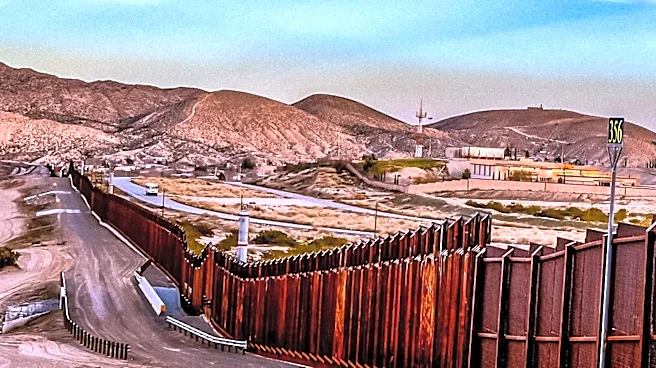
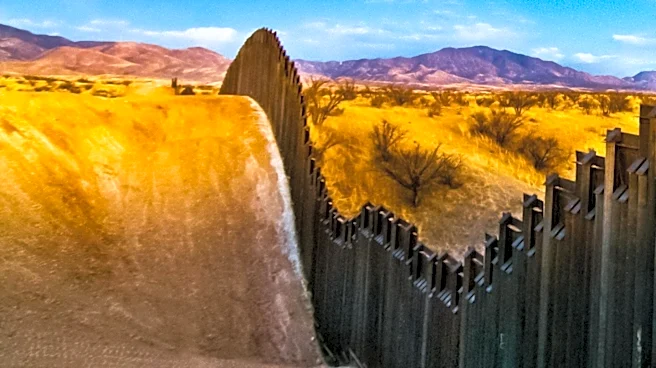
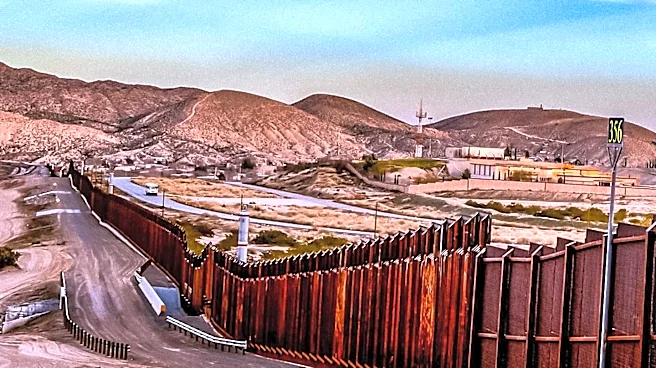
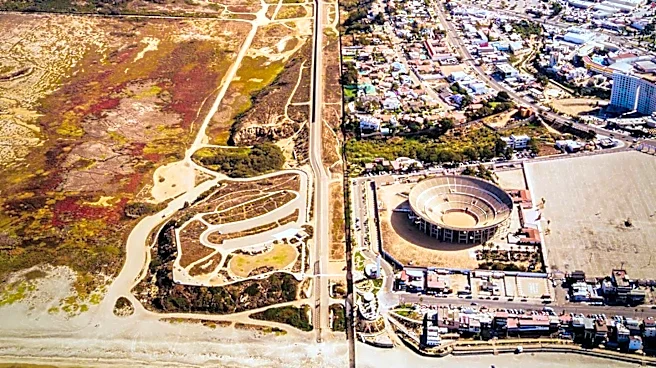
Bipartisan opposition has emerged against the construction of a border wall in Big Bend National Park, Texas, as part of the Trump administration's border security plans. Senator John Cornyn has called for consultation with local officials before proceeding,
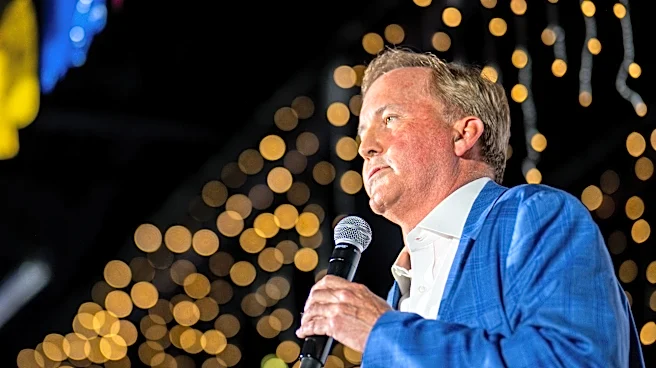
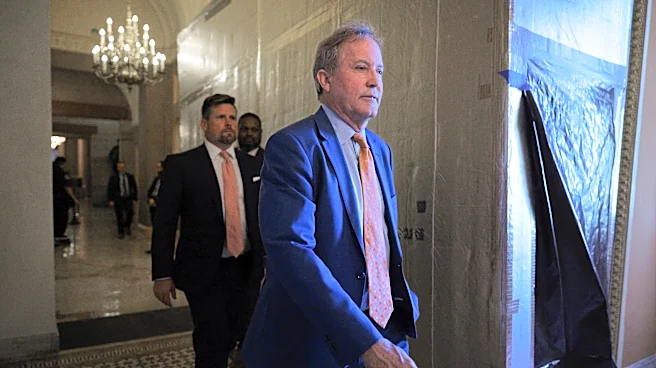
while Democratic Senate nominee James Talarico has criticized the wall as unnecessary and corrupt. Despite the pushback, Texas Attorney General Ken Paxton, a close ally of President Trump, has not publicly stated his position on the matter. The proposed wall has sparked concerns about environmental impacts and the use of federal funds for construction in a protected area.
Why It's Important?
The controversy over the Big Bend border wall highlights the complex interplay between federal immigration policies and local environmental and economic concerns. The opposition from both Republican and Democratic leaders underscores the bipartisan nature of the issue and the potential for collaboration across party lines. The situation raises questions about the prioritization of border security measures and the need for careful consideration of their impacts on natural resources and local communities. The outcome of this debate could influence future border security strategies and the allocation of federal resources.
What's Next?
As the debate over the Big Bend border wall continues, local officials and community leaders are likely to intensify their advocacy efforts to halt construction. The involvement of high-profile political figures, such as Senator Cornyn and Attorney General Paxton, may shape the direction of the discussion and influence federal decision-making. The situation may also prompt broader discussions about the balance between national security and environmental preservation, potentially leading to policy changes that prioritize sustainable and community-friendly solutions.