








What's Happening?
Recent reports highlight a phenomenon termed 'climate inflation,' where rising temperatures and extreme weather events are significantly increasing the costs of essential goods and services in the U.S. According to a study published in the journal Nature,
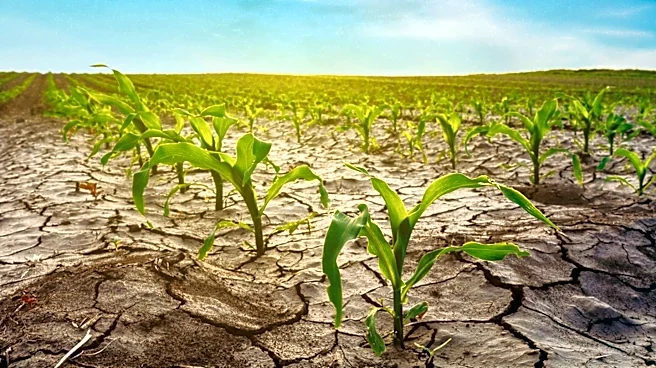
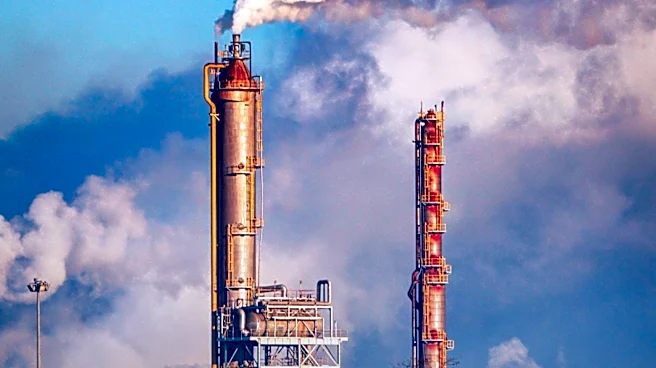
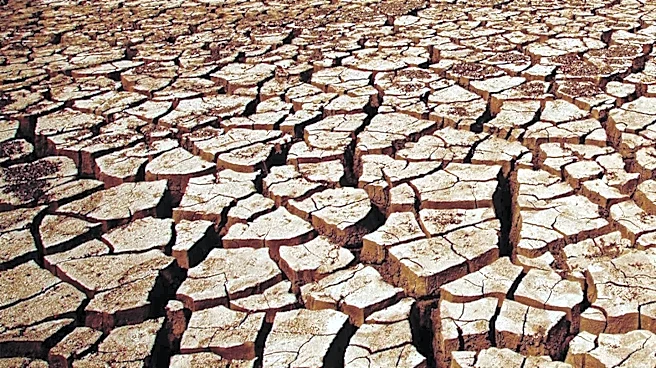
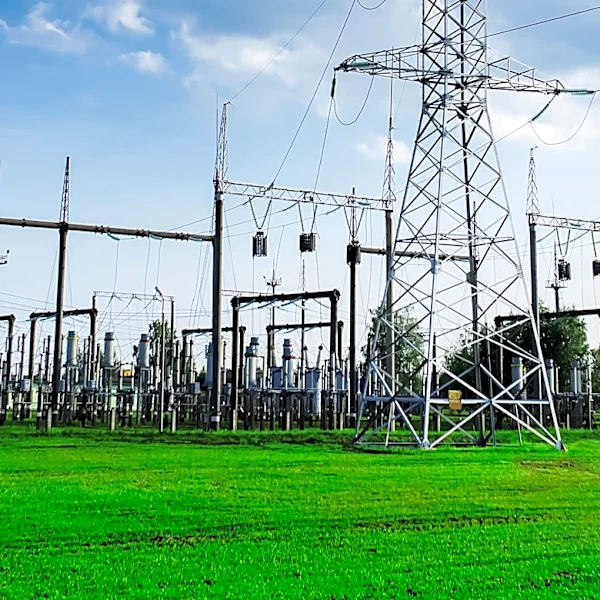
climate change is not only an environmental issue but also a critical driver of consumer prices. The National Oceanic and Atmospheric Administration notes that climate impacts such as rising temperatures, sea-level rise, drought, and flooding are affecting water supplies, energy systems, transportation, wildlife, agriculture, ecosystems, and human health. These changes are contributing to higher costs for consumers, as evidenced by increased grocery prices due to reduced crop yields and disrupted food supply chains. Additionally, climate-related disasters are leading to higher insurance premiums and energy costs, as utilities invest in additional generation capacity and grid improvements to meet increased demand.
Why It's Important?
The implications of climate inflation are far-reaching, affecting various sectors of the U.S. economy. As food prices rise due to climate-induced disruptions in agriculture, consumers face increased grocery bills. This trend is particularly concerning for low-income households that spend a larger portion of their income on food. The insurance industry is also impacted, with higher premiums reflecting the increased risk and cost of climate-related disasters. This can lead to reduced insurance availability in some regions, further exacerbating financial strain on homeowners. Energy costs are rising as utilities invest in infrastructure to handle increased demand from hotter temperatures, impacting both residential and commercial consumers. Overall, climate inflation poses a significant challenge to economic stability and highlights the urgent need for policies addressing climate change and its economic impacts.
What's Next?
As climate change continues to drive up costs, stakeholders across various sectors may need to adapt their strategies. Policymakers could focus on implementing measures to mitigate climate impacts, such as investing in renewable energy and enhancing infrastructure resilience. The insurance industry might explore innovative solutions to manage risk and maintain affordability for consumers. Additionally, businesses may need to adjust their supply chains and operations to cope with climate-related disruptions. Public awareness and advocacy for climate action could increase as more people experience the financial impacts of climate inflation. These developments underscore the importance of coordinated efforts to address the root causes of climate change and its economic consequences.
Beyond the Headlines
The concept of climate inflation introduces ethical considerations regarding the distribution of climate-related costs. Vulnerable populations, including low-income communities and marginalized groups, are likely to bear the brunt of rising costs, exacerbating existing inequalities. This raises questions about social justice and the responsibility of governments and corporations to protect these communities. Furthermore, the long-term economic impacts of climate inflation could influence global competitiveness, as countries that effectively manage climate risks may gain an advantage. The cultural shift towards sustainability and climate awareness may also accelerate, influencing consumer behavior and corporate practices.