









What's Happening?
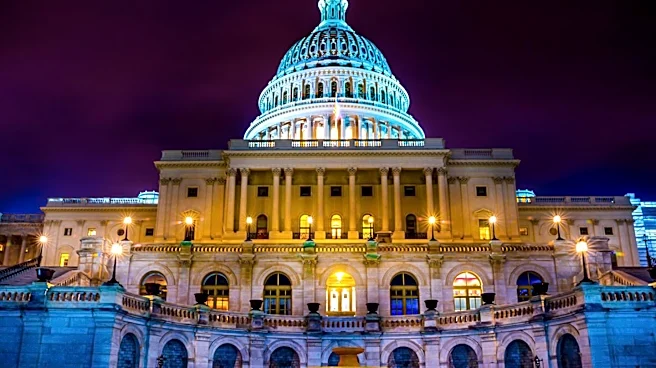
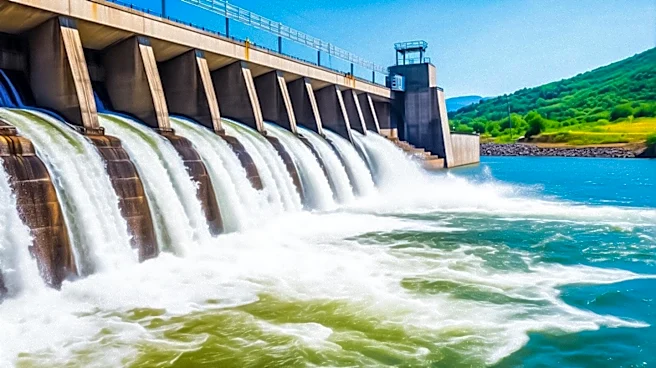
U.S. Representative Josh Gottheimer has announced a bipartisan initiative to bolster cybersecurity for critical infrastructure following recent cyberattacks on municipal water systems in New Jersey and other states. The initiative includes the introduction
of the AI Cyber Defense Act, co-sponsored by Reps. Don Bacon, Zach Nunn, Hilary Scholten, and Greg Landsman. This legislation aims to provide critical infrastructure operators with access to advanced artificial intelligence tools to identify and address cybersecurity vulnerabilities. Additionally, the Securing Our Critical Infrastructure Act proposes a dedicated rapid-response and threat-notification service within the Cybersecurity and Infrastructure Security Agency (CISA) for small and medium-sized utilities. The initiative seeks to enhance federal support for utilities lacking cybersecurity resources.
Why It's Important?
The initiative underscores the growing threat of cyberattacks on essential services, highlighting vulnerabilities in the nation's infrastructure. By providing advanced AI tools and establishing a rapid-response framework, the legislation aims to protect utilities from cyber threats, ensuring the continuity of critical services like water and electricity. This effort is crucial for small and rural utilities, which often lack the resources to implement robust cybersecurity measures. The initiative also reflects a broader recognition of the need for federal involvement in safeguarding infrastructure, potentially influencing future policy and funding decisions in the cybersecurity domain.
What's Next?
The proposed legislation will undergo congressional review, with potential amendments and discussions on its scope and implementation. Stakeholders, including utility companies, cybersecurity experts, and government agencies, will likely engage in dialogue to refine the proposals. The outcome of these discussions could shape the future of cybersecurity policy for critical infrastructure, influencing how resources are allocated and how federal and state agencies collaborate. The initiative's progress will be closely monitored, as its success could serve as a model for addressing cybersecurity challenges in other sectors.