







What's Happening?
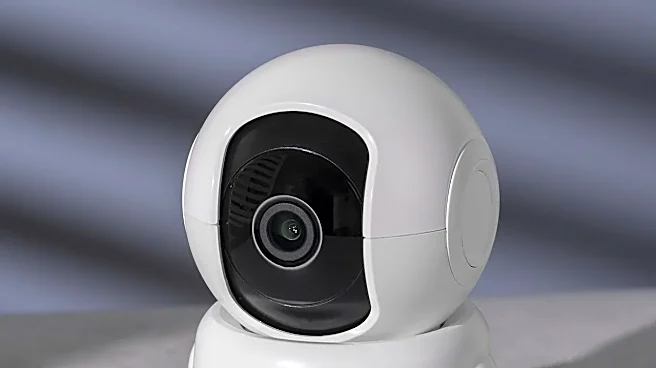
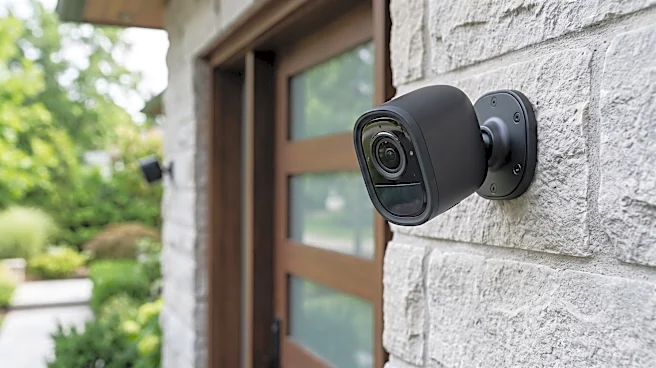
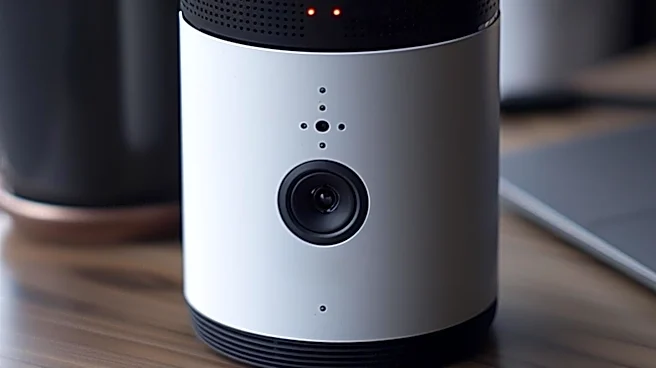
The U.S. home security camera market is experiencing significant growth, with 61% of households owning at least one camera in 2026, an increase from 52% in 2024 and 42% in 2023. Video doorbells are also prevalent, found in 48% of households. This surge
is largely attributed to renters, whose adoption rate jumped from 42% to 54% between 2024 and 2026, due to the availability of battery-powered cameras that are easy to install and move. When purchasing, consumers prioritize ease of use (50%) and monthly cost (46%) over self-installation, brand reputation, and upfront price. Key considerations for buyers include the camera's intended use, with video doorbells suited for front doors and weatherproof outdoor cameras for driveways. Prices vary, with budget models starting at $29 offering features like 2K video, mid-range models around $100, and premium options exceeding $249 for features like 4K video. Image quality, night vision capabilities, power source (battery, plug-in, PoE, solar), Wi-Fi connectivity, and subscription models for storage and alerts are also crucial factors.
Why It's Important?
The expanding adoption of home security cameras signifies a growing consumer demand for personal safety and property monitoring solutions. This trend impacts the electronics manufacturing sector, driving innovation in camera technology, such as improved image quality, advanced night vision, and diverse power options. The emphasis on ease of use and affordability suggests that manufacturers who can deliver user-friendly and cost-effective solutions will gain a competitive edge. The rise in renter adoption highlights a market segment with specific needs for portable and non-invasive security systems, prompting companies to develop products that cater to this demographic. Furthermore, the increasing reliance on cloud storage and subscription services creates recurring revenue streams for security companies, shifting business models beyond one-time hardware sales. The focus on reliable person and package detection, along with local storage options, indicates a consumer preference for practical features that enhance security without excessive false alarms or dependence on internet connectivity.
What's Next?
The home security camera market is expected to continue its growth trajectory, with ongoing advancements in artificial intelligence and intelligent vision systems. Future developments will likely focus on cameras that can interpret activity, distinguish relevant events from background motion, and provide timely information without constant cloud reliance. This will involve integrating more sophisticated edge processing to reduce alert latency and network traffic. Manufacturers will likely further refine battery-powered options, making them more efficient and reliable for continuous monitoring. The industry will also need to address evolving privacy concerns, with a greater emphasis on end-to-end encryption and transparent data handling practices. As technology progresses, consumers can anticipate more integrated smart home security ecosystems that offer seamless connectivity and enhanced automation, potentially leading to new service offerings and partnerships within the smart home industry.
Beyond the Headlines
The widespread adoption of home security cameras raises several deeper implications beyond immediate security benefits. Ethically, the proliferation of cameras in residential areas brings forth questions about privacy, not only for homeowners but also for neighbors and the public. The collection and storage of video data by private companies also present potential vulnerabilities to data breaches and misuse. Legally, the use of audio recording features on cameras can lead to legal issues in 'all-party consent' states if conversations are recorded without explicit consent. Culturally, the normalization of constant surveillance, even within private residences, could subtly shift societal norms around privacy and public space. The long-term impact might include a greater reliance on technology for personal safety, potentially altering community dynamics and individual perceptions of security. Furthermore, the data generated by these devices could become a valuable asset for urban planning, law enforcement, and even insurance companies, leading to new regulatory challenges and opportunities.